By: Marion Chepchirchir
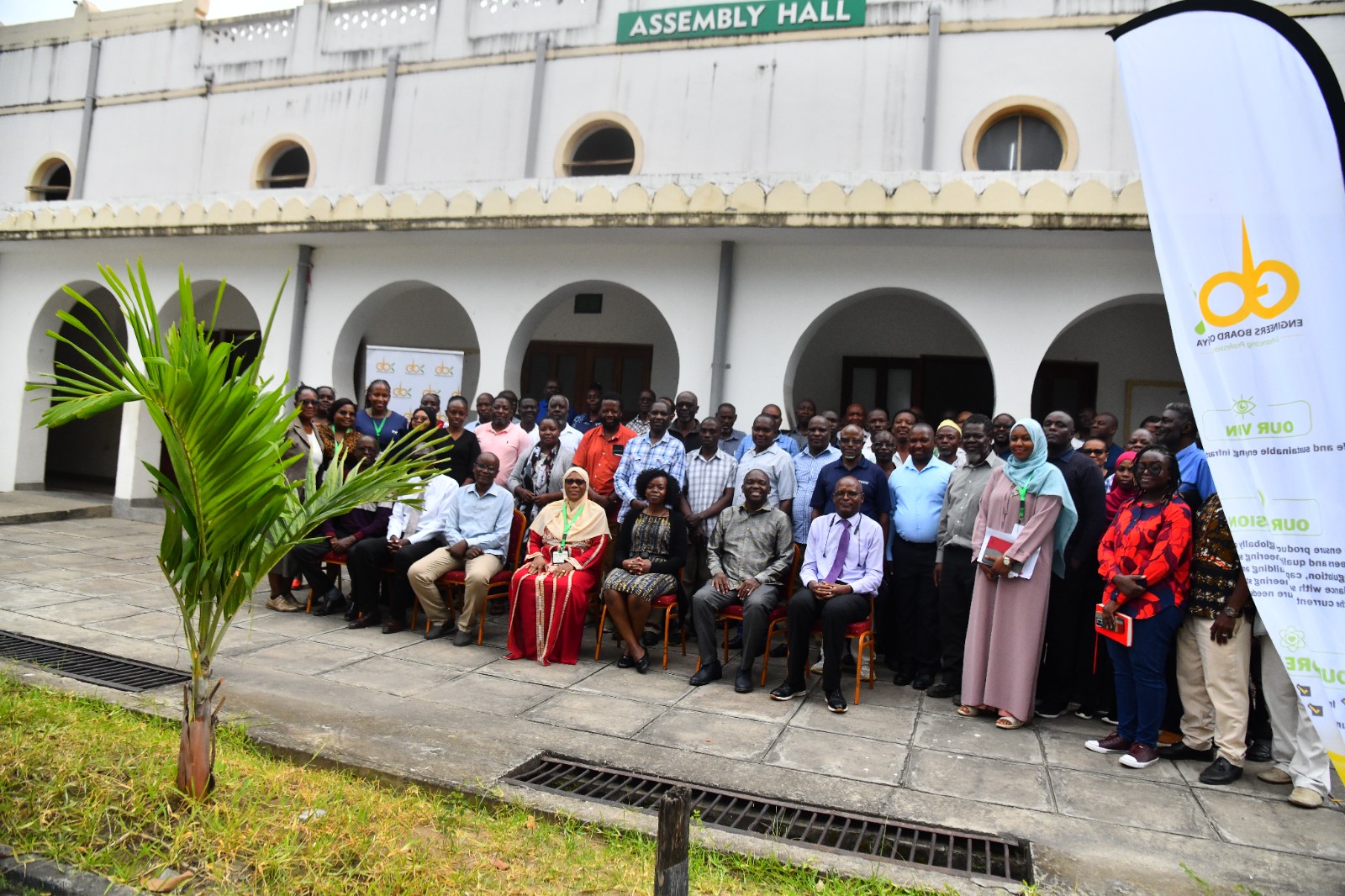
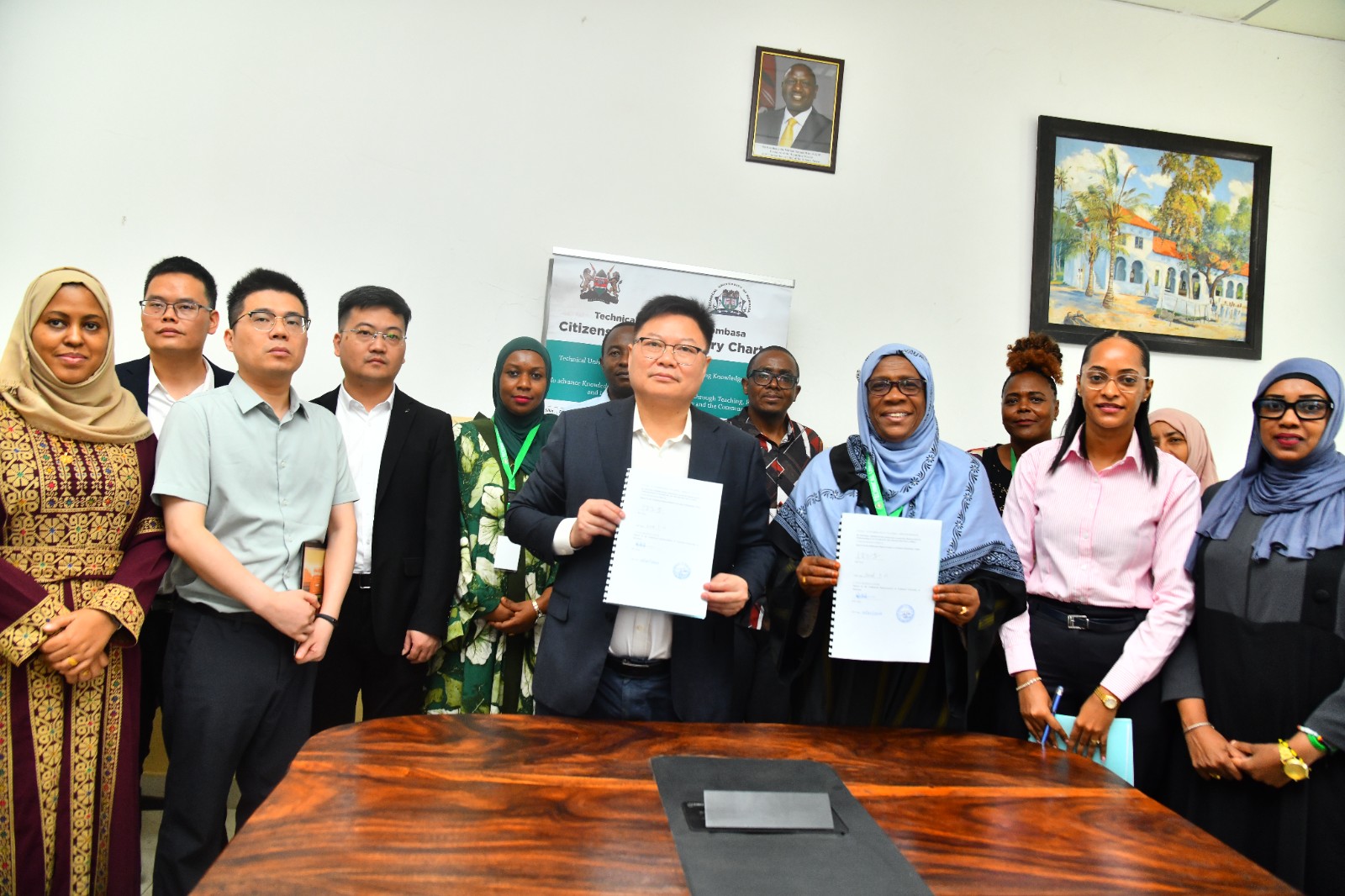
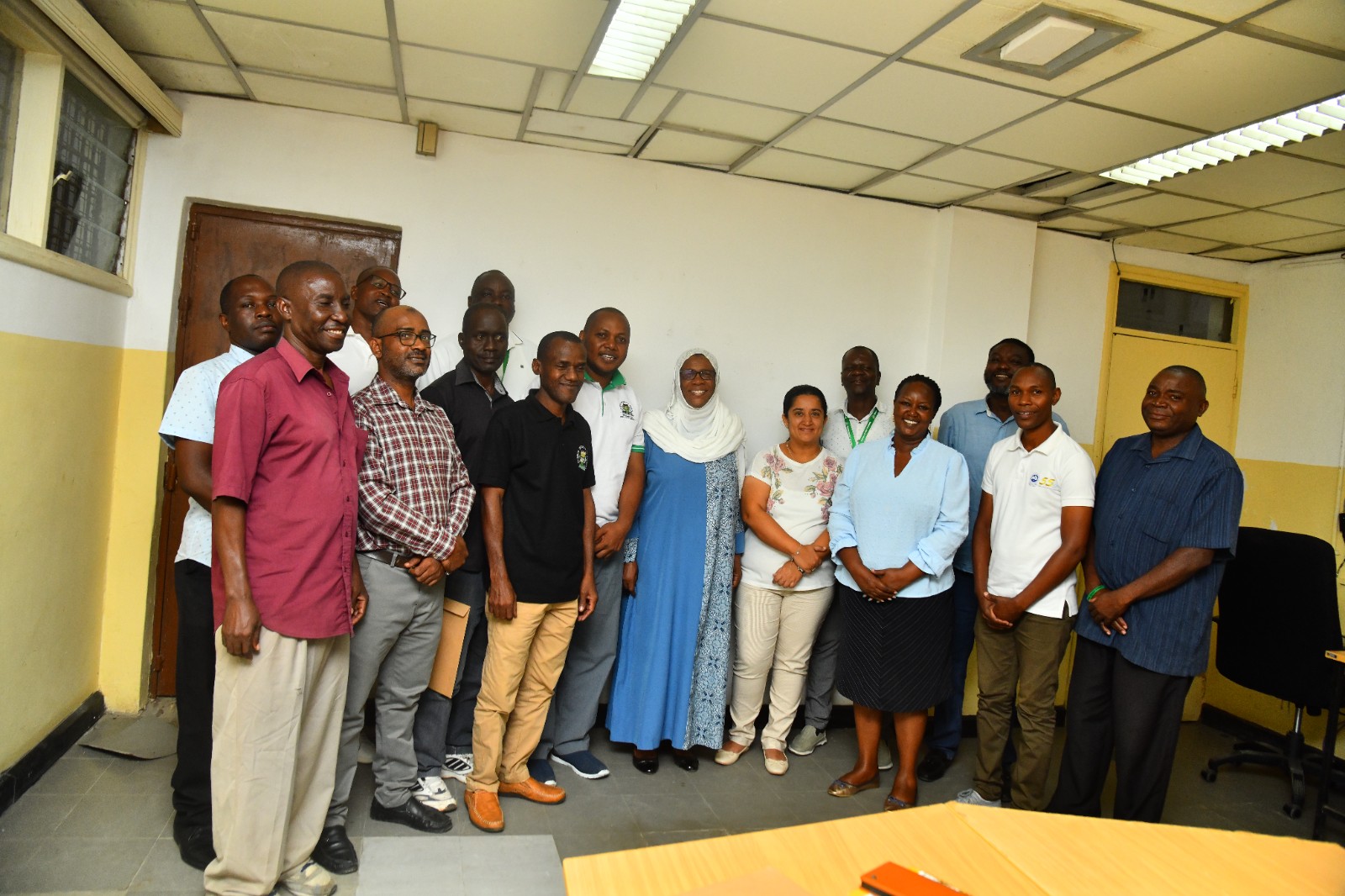
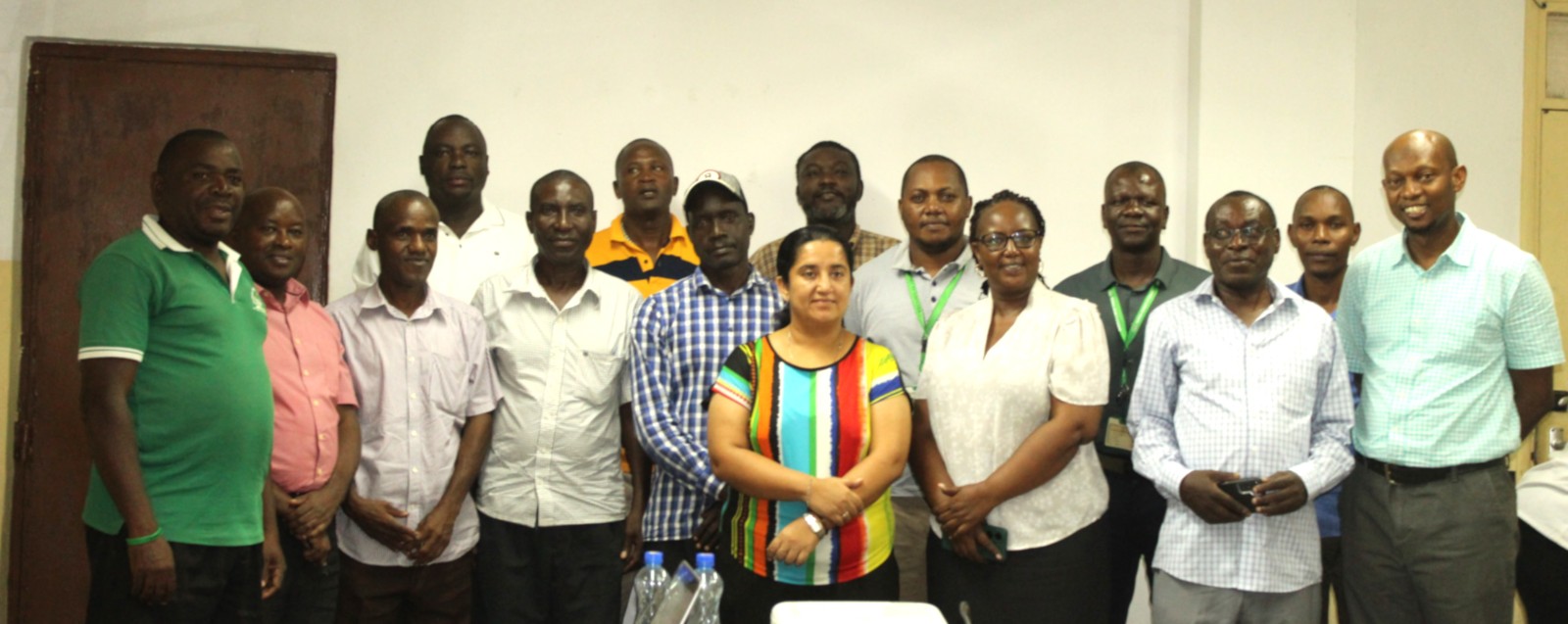
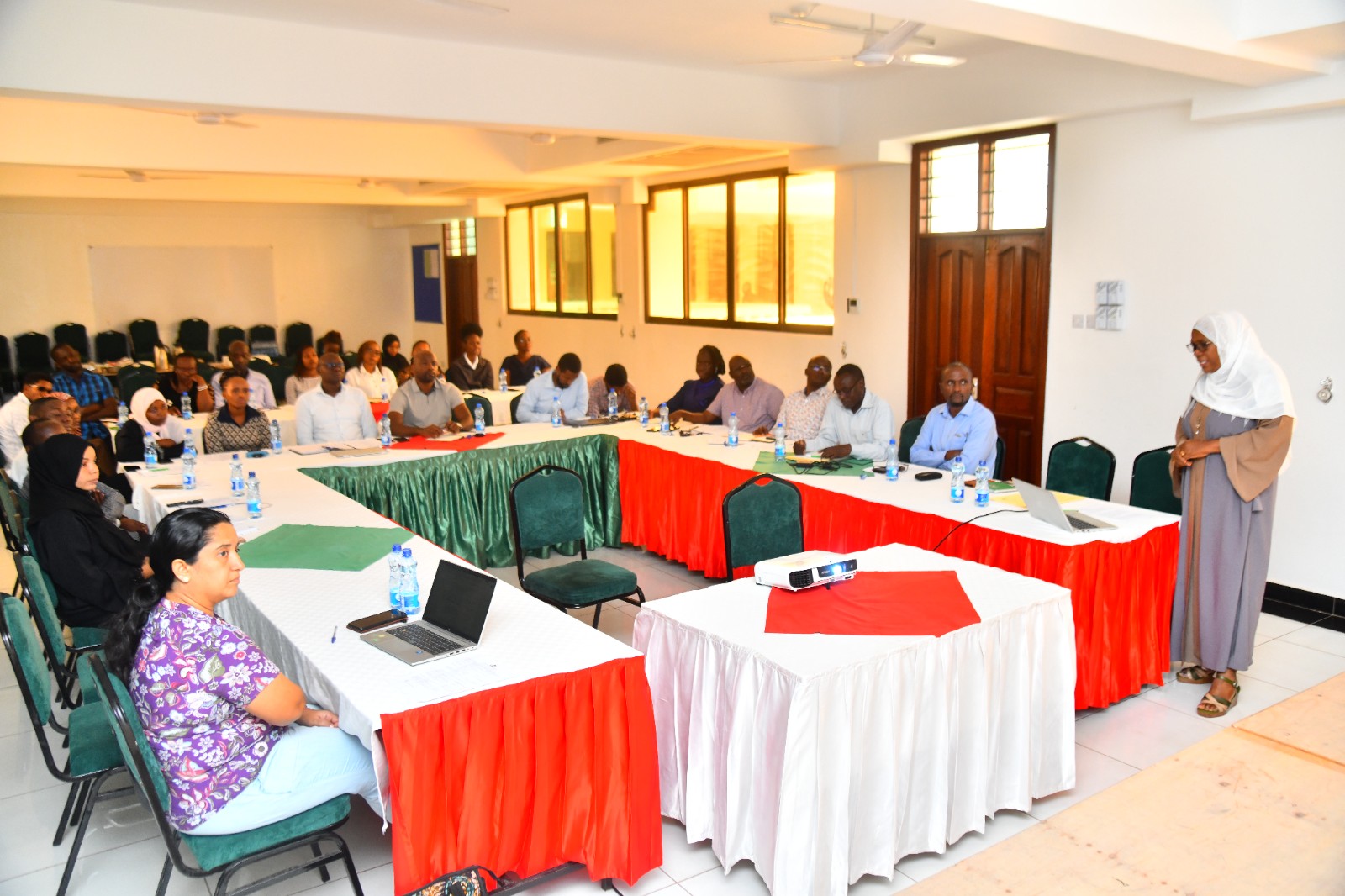
The Technical University of Mombasa has inducted 22 newly recruited staff members, with the University leadership challenging them to uphold professionalism, respect students, participate in research and contribute to the institution’s strategic development.
Vice-Chancellor Prof. Laila Abubakar reminded the employees that joining TUM placed upon them responsibilities extending beyond their routine assignments. Their work, she emphasised, should contribute to the University’s mandate in teaching, research, innovation and service to industry and the community.
Addressing the staff during the two-day induction programme held from July 14 to 15, Prof. Abubakar identified students as the University’s principal stakeholders and urged employees to treat them with dignity and respect.
She further challenged the new employees to embrace research, noting that knowledge generation was not restricted to students and academic staff. Employees from different professional backgrounds could support research, innovation and institutional development through their respective areas of expertise.
Besides observing established procedures, the staff were expected to uphold TUM’s vision, mission and core values while supporting its pursuit of national and international excellence.
Deputy Vice-Chancellor, Academic, Research and Extension, Prof. Peter Bundi Gichangi, placed the new employees’ responsibilities within the wider academic mandate of the University.
Accordingly, the induction encouraged the new staff to regard themselves not merely as employees assigned to individual offices, but as participants in an interconnected academic institution.
Turning to governance and strategic direction, Registrar, Administration and Planning, Dr. Shivani Patel, introduced the employees to the University Council, Senate and University Management Board.
She also linked their individual responsibilities to the TUM Strategic Plan 2023/2024–2027/2028, institutional policies and Standard Operating Procedures. Understanding these structures, Dr. Patel emphasised, would enable employees to perform their duties within the University’s governance and accountability framework.
Within the same governance strand, Deputy Chief Legal Officer Dr. Hamisi Alli Mwadzogo outlined the institution’s leadership and legal framework. His presentation was complemented by Mr. Kiema Harrison, who addressed anti-corruption, data protection and confidentiality.
Quality service and information protection also featured prominently during the programme. Dr. Sylvia Ndanu Mutua explained that adherence to the Quality Management System and Information Security Management System was essential to maintaining institutional standards and safeguarding University information.
Meanwhile, Dr. Mohammed Swaleh introduced the employees to TUM’s digital infrastructure, including the Enterprise Resource Planning system and the Human Resource Management Information System.
Alongside improving administrative efficiency, the platforms required responsible use and strict observance of cybersecurity procedures. The new employees were therefore cautioned against practices that could expose University systems and information to security threats.
On financial and administrative operations, Ms. Feruz Juma guided the staff through budgeting, payroll, statutory deductions and selected ERP functions. Her presentation enabled participants to understand how institutional financial processes related to their responsibilities and employment records.
Human-resource obligations were addressed by Mr. David Mwakidimi, who took the employees through their terms of service, professional ethics, staff benefits and workplace responsibilities. He emphasised the importance of understanding both employee rights and institutional expectations.
Beyond policies and systems, the induction addressed employee welfare and workplace relations. Dr. Soud Alli Tengah encouraged the staff to prioritise their mental wellbeing and seek appropriate support when confronted with personal or occupational challenges.
Similarly, Mr. Salim Chiro emphasised effective institutional communication and responsible use of University resources. Efficient communication, he noted, was necessary for coordination, accountability and productive relationships among staff.
Security Supervisor Mr. Mathew Jakait Amugu, on his part, called for collective responsibility in maintaining a safe working and learning environment. He urged employees to remain vigilant and report activities that could threaten the security of students, staff or University property.
Organised by the Human Resource Department, the induction familiarised the new employees with TUM’s academic mandate, governance structures, administrative systems, staff policies and institutional culture.
The programme concluded with the issuance of induction certificates to the 22 staff members.