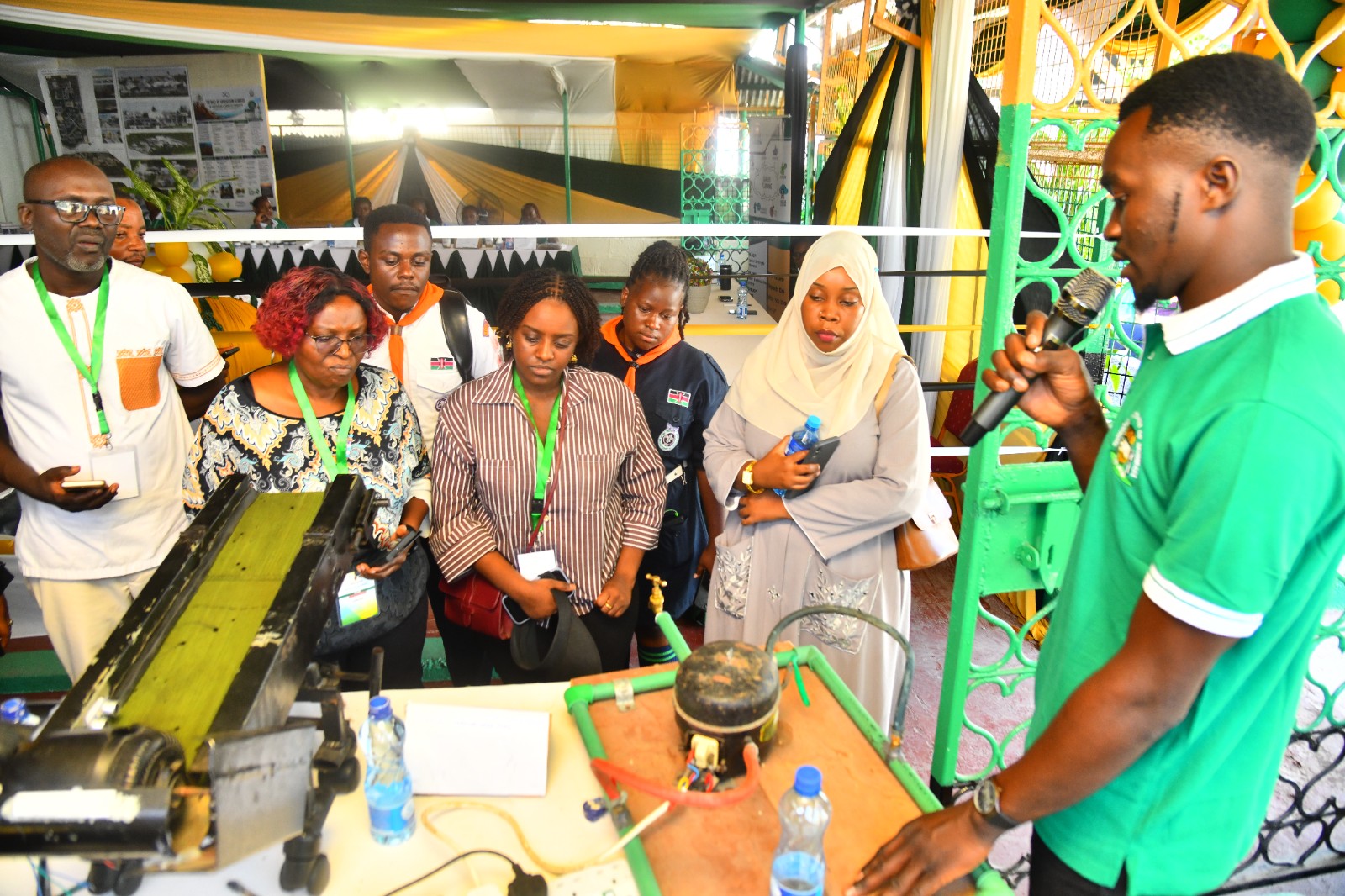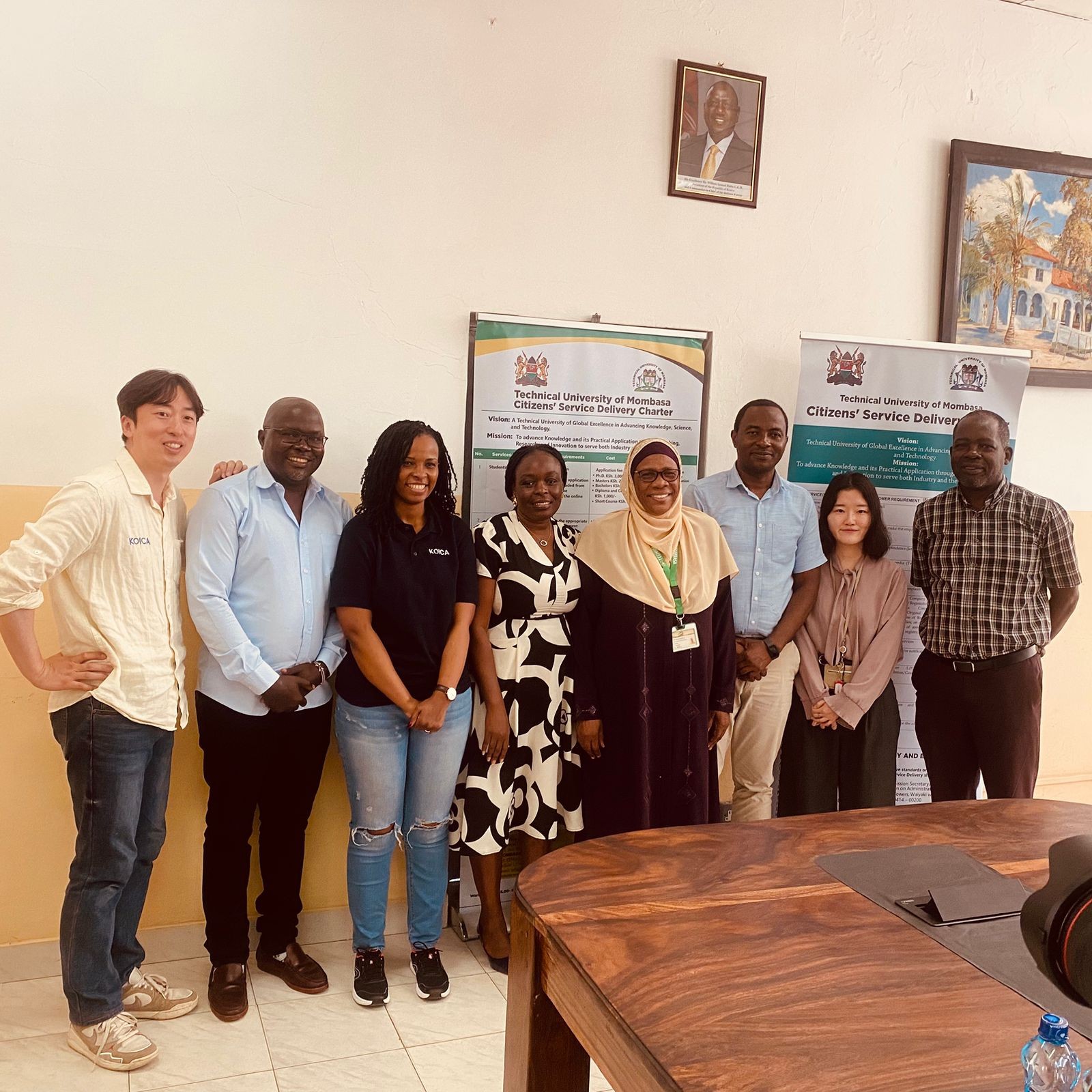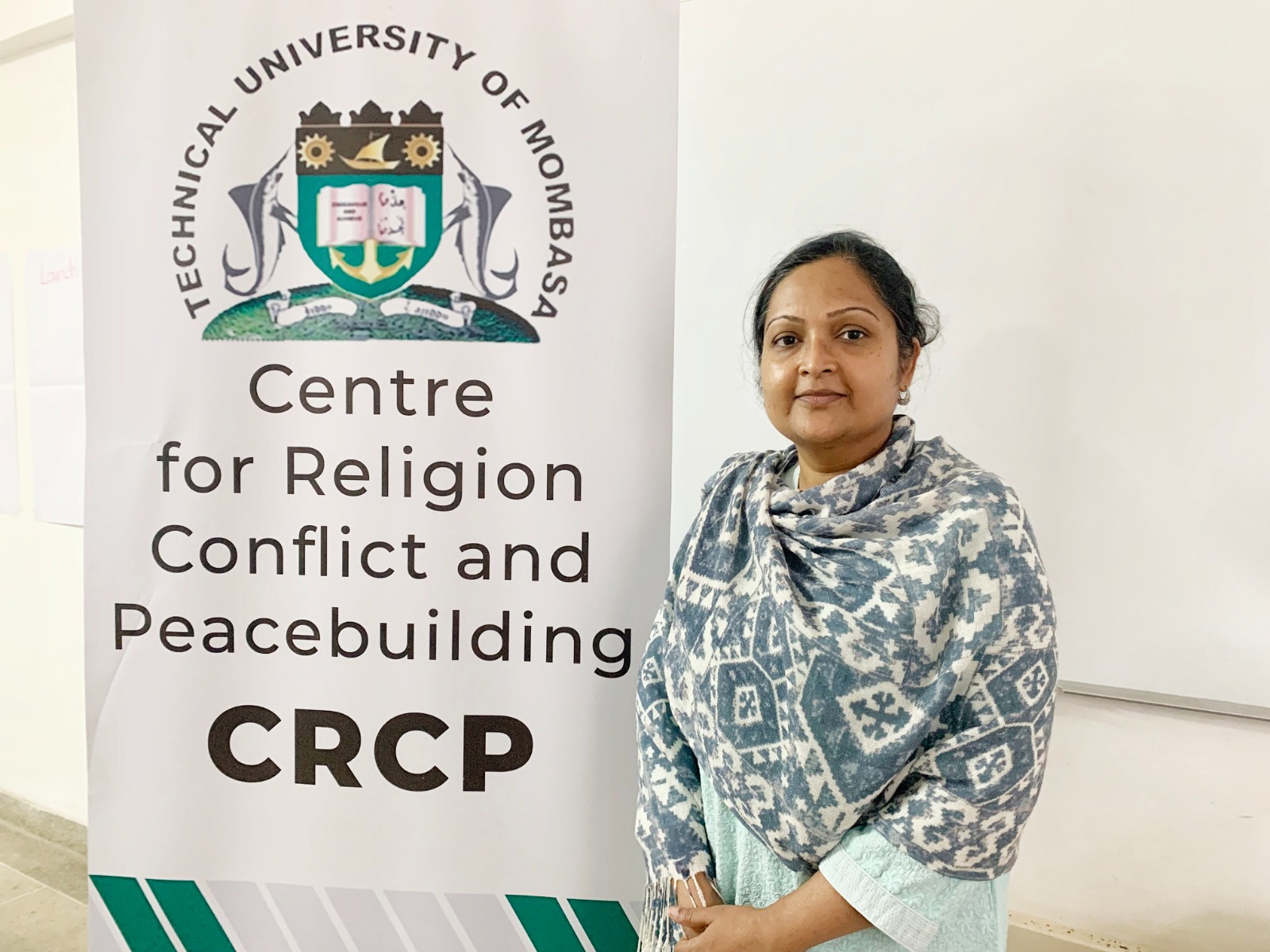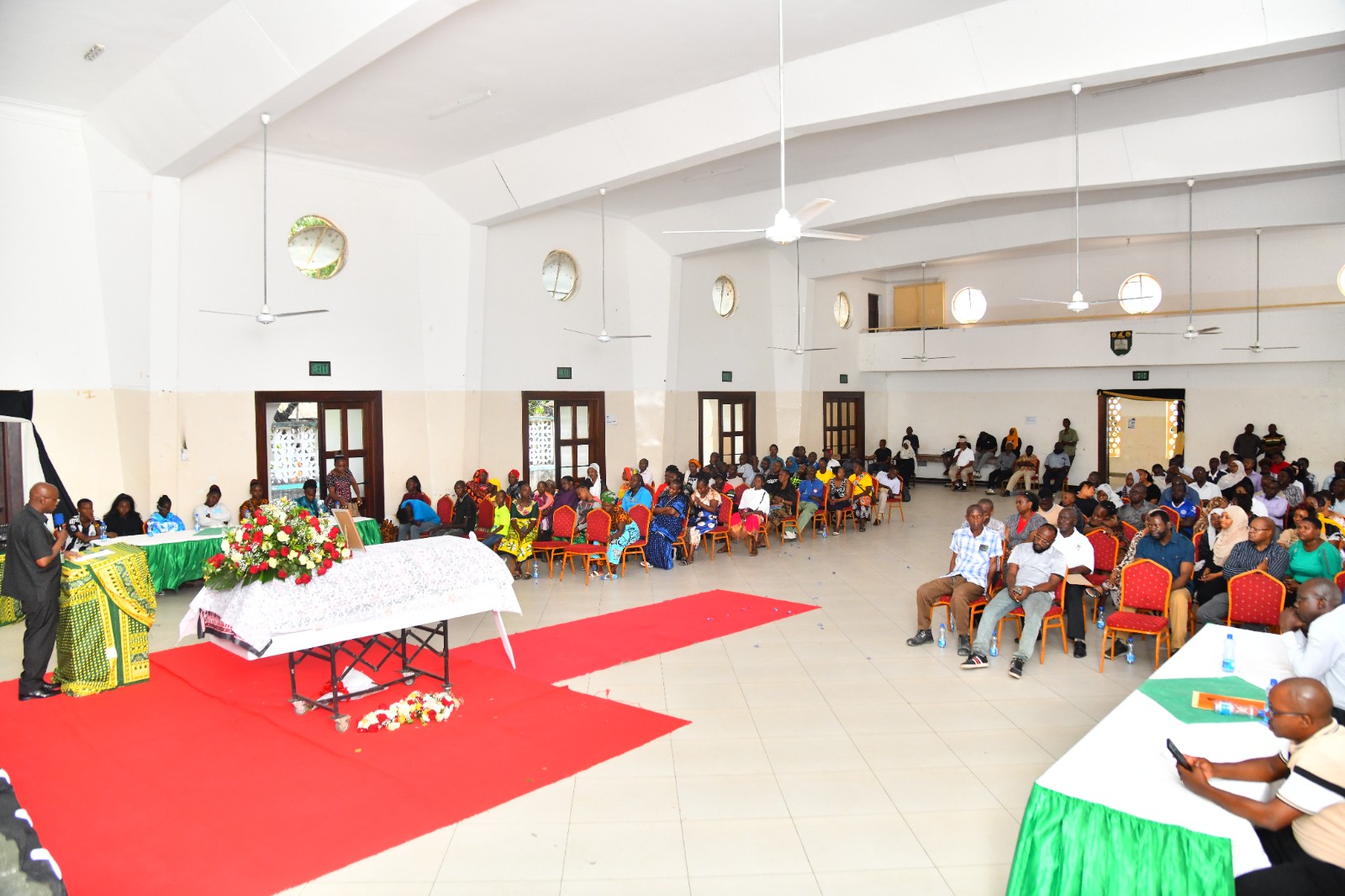
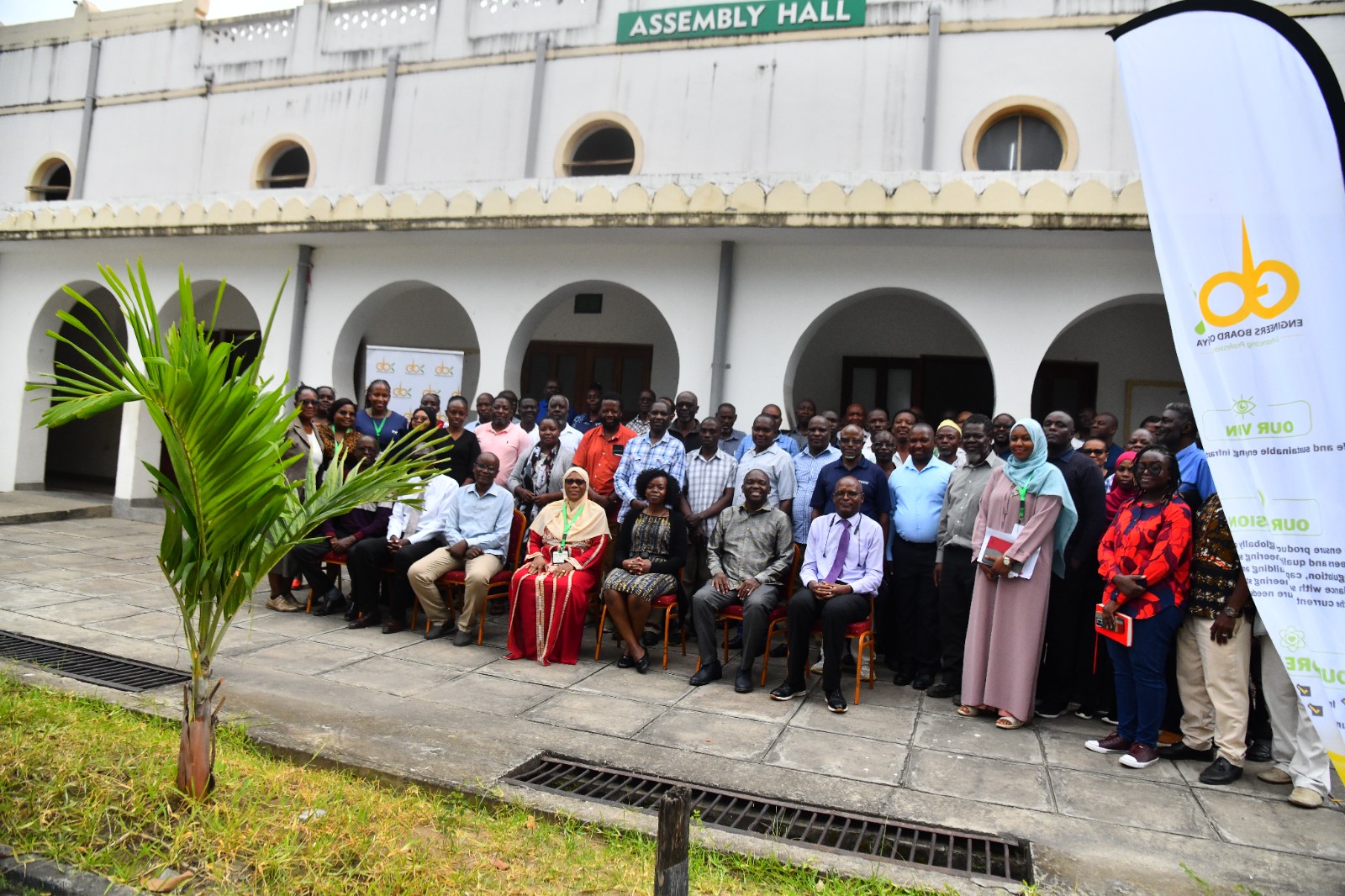
The Engineers Board of Kenya (EBK) conducted a three-day Coastal Region Training Workshop on Outcome-Based Education (OBE) Standards from 15th to 17th July 2026 at the Technical University of Mombasa (TUM), bringing together engineering lecturers, academic leaders, and stakeholders from institutions across the coastal region.
The training, spearheaded by the Engineers Board of Kenya (EBK) under the leadership of Eng. Grace Onyango, Director of Capacity Building and Accreditation, forms part of the Board's ongoing efforts to strengthen the implementation of Outcome-Based Education (OBE) in engineering institutions across the country. Delivered through both in-person and virtual sessions, the programme sought to align engineering curricula with the Washington Accord, the international benchmark for engineering education accreditation.
Officially opening the workshop, TUM Vice Chancellor Prof. Laila Abubakar welcomed participants to the University and commended the Engineers Board of Kenya and the Engineering Accreditation Committee for organizing the capacity-building initiative. She noted that continuous improvement in teaching and learning is essential to producing competent, industry-ready engineers capable of addressing local and global challenges. She further highlighted TUM's commitment to quality engineering education through professionally accredited programmes, investment in centres of excellence, and a strong culture of innovation.
In his opening remarks, Prof. Michael Saulo, Dean of the School of Engineering and Technology, described the training as a timely initiative that would support engineering institutions in aligning their curricula with international best practices. He emphasized that Outcome-Based Education shifts the focus from what lecturers teach to what students are able to demonstrate upon graduation, strengthening programme quality, accreditation, and graduate employability.
Throughout the three-day workshop, participants engaged in sessions on Outcome-Based Education principles, curriculum mapping, learner-centred teaching approaches, assessment strategies, continuous quality improvement, and accreditation requirements. The discussions underscored the importance of ensuring engineering graduates acquire the knowledge, skills, and professional competencies expected by industry while meeting internationally recognized standards.
The workshop reaffirmed the shared commitment of the Engineers Board of Kenya and institutions of higher learning to advancing engineering education through Outcome-Based Education, strengthening accreditation processes, and preparing graduates who can compete and practice effectively in an increasingly global engineering profession.