By: Abdulaziz Abeid
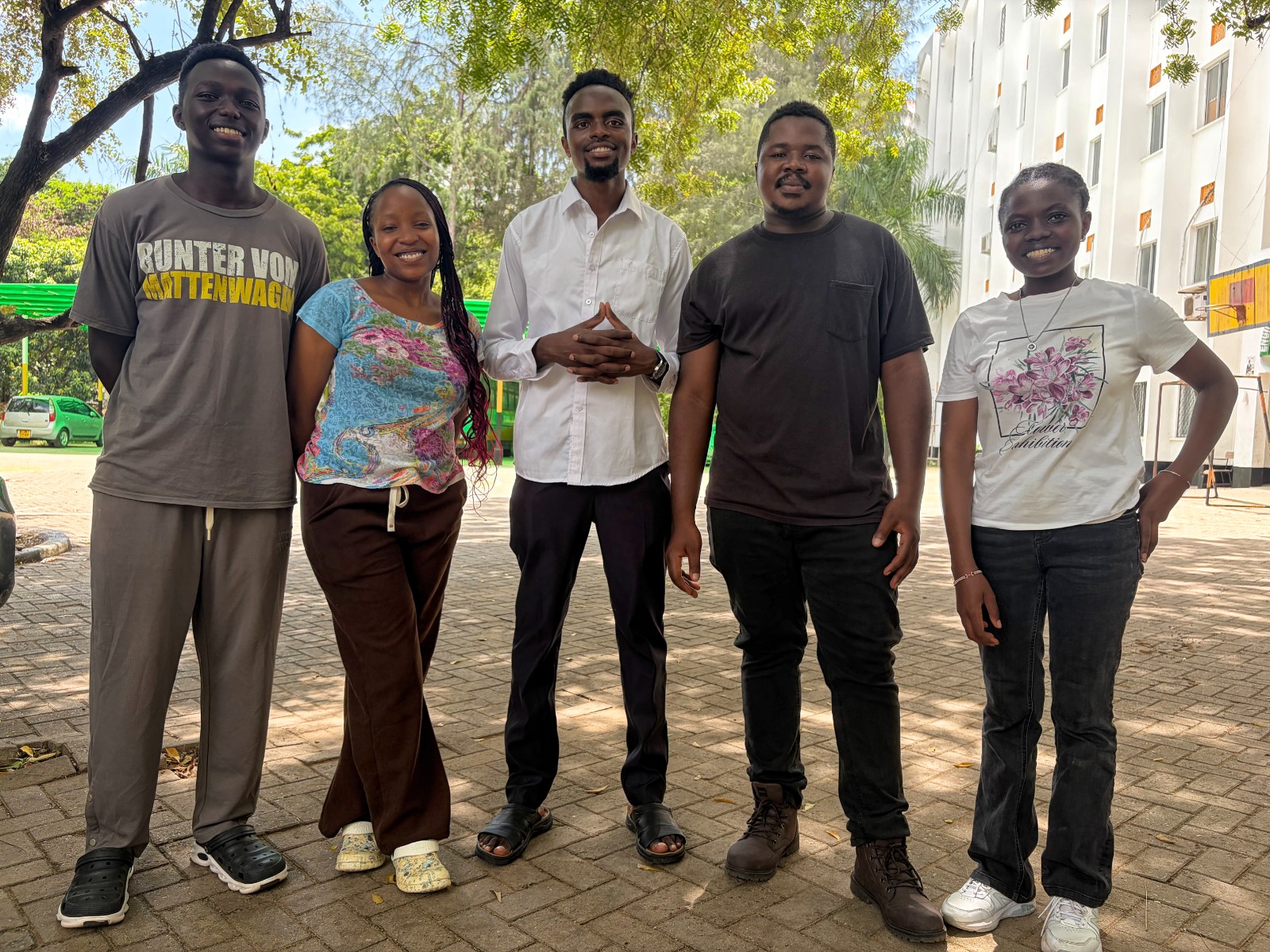
A greater understanding of architectural heritage, new design practices, and innovative urban planning are among the valuable lessons gained by six students from the Department of Architecture at TUM following their participation in the WAGON2AFRICA TNE Programme, sponsored by the Italian government.
The 6th Year students, Christopher Muriithi, Joy Kirimi, Simon Meatu, Kevin Maugo, Maria Nzangi, and Maimuna Hamad Said (in absentia), were among the top TUM Architecture students to benefit from the Programme. They described the experience as academically enriching, professionally transformative, and an eye-opening journey that allowed them to see how architectural ideas studied in class are applied in real cities.
One of the participants, Christopher Muriithi, explained that architecture in Italy is deeply linked with culture, citing that cities such as Turin demonstrate a strong heritage preservation, where historic buildings are carefully maintained and integrated into modern structures.
“Studying in Italy enabled us to see how architecture can preserve history. Many buildings there are hundreds of years old but are still actively used today, and this is something that could inspire architectural practices in Kenya, particularly in protecting historic structures,” he said
The students further highlighted how the programme broadened their understanding of urban planning and design of public spaces, pointing out that cities in Italy prioritized pedestrian-friendly environments, well organized public spaces, and coordinated urban plans, aspects that they believe could instigate improvements in urban development in the country.
“One of the things that impressed us most was how public spaces are designed to bring people together. Streets, parks, and buildings are planned in a way that encourages interaction and accessibility,” the students shared collectively.
During their studies at Politecnico di Torino, the students were also exposed to innovative teaching styles in architectural education. The academic environment emphasized design thinking, creativity, and continuous review, allowing students to develop concepts, present their ideas, and perfect their designs through collaborative engagement with lecturers.
Joy Karimi, another participant, said the experience strengthened their creative abilities and professional confidence.
“The teaching style was very interactive. We were constantly challenged to present our ideas, defend our concepts, and improve our designs through feedback. It really strengthened our creativity and confidence as young architects,” She explained.
The students further noted that they also got exposure to advanced architectural technologies, including modern design tools and modern construction techniques, which will enhance their approach to architectural practice.
Now back at the Technical University of Mombasa, the students expressed optimism that the knowledge and exposure gained from the programme will play an important role in shaping their future careers as architects.