By: Justin Muta & Lubnah Abdulhalim
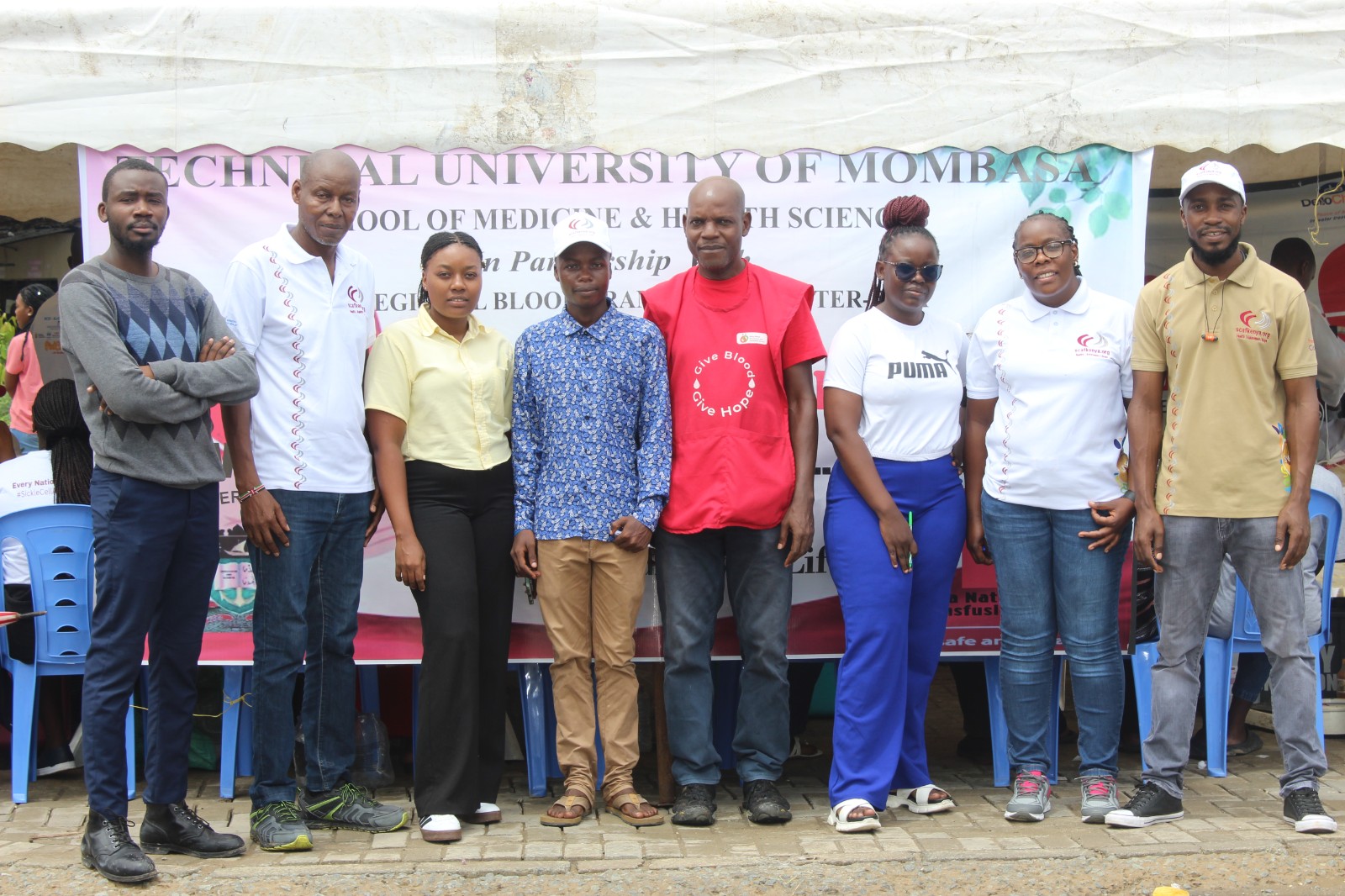
The Technical University of Mombasa (TUM), through the School of Medicine and Health Sciences, successfully conducted a five-day blood donation drive from 20th to 25th April at the university.
The exercise was led by the Dean, Prof. Emily Rogena, alongside the Chairman of the Medical Sciences Department, Mr. Nyarambe Wigina, with strong support from the TUM Medical Laboratory Students Association.
The initiative was carried out in partnership with key stakeholders including the Kenya Blood Transfusion and Transplant Service (RBTC), RedSplash, the Sickle Cell Awareness Foundation Kenya (SCAF Kenya), and the Department of Health, Mombasa County. Other collaborators included the Ministry of Health (MoH), Mikindani Hospital, and Bomu Hospital.
Speaking during the exercise, Mr. Keith Ziro from the Kenya Blood Transfusion Service underscored the importance of sustained blood donation efforts to ensure a steady supply in blood banks, particularly for patients who require frequent transfusions.
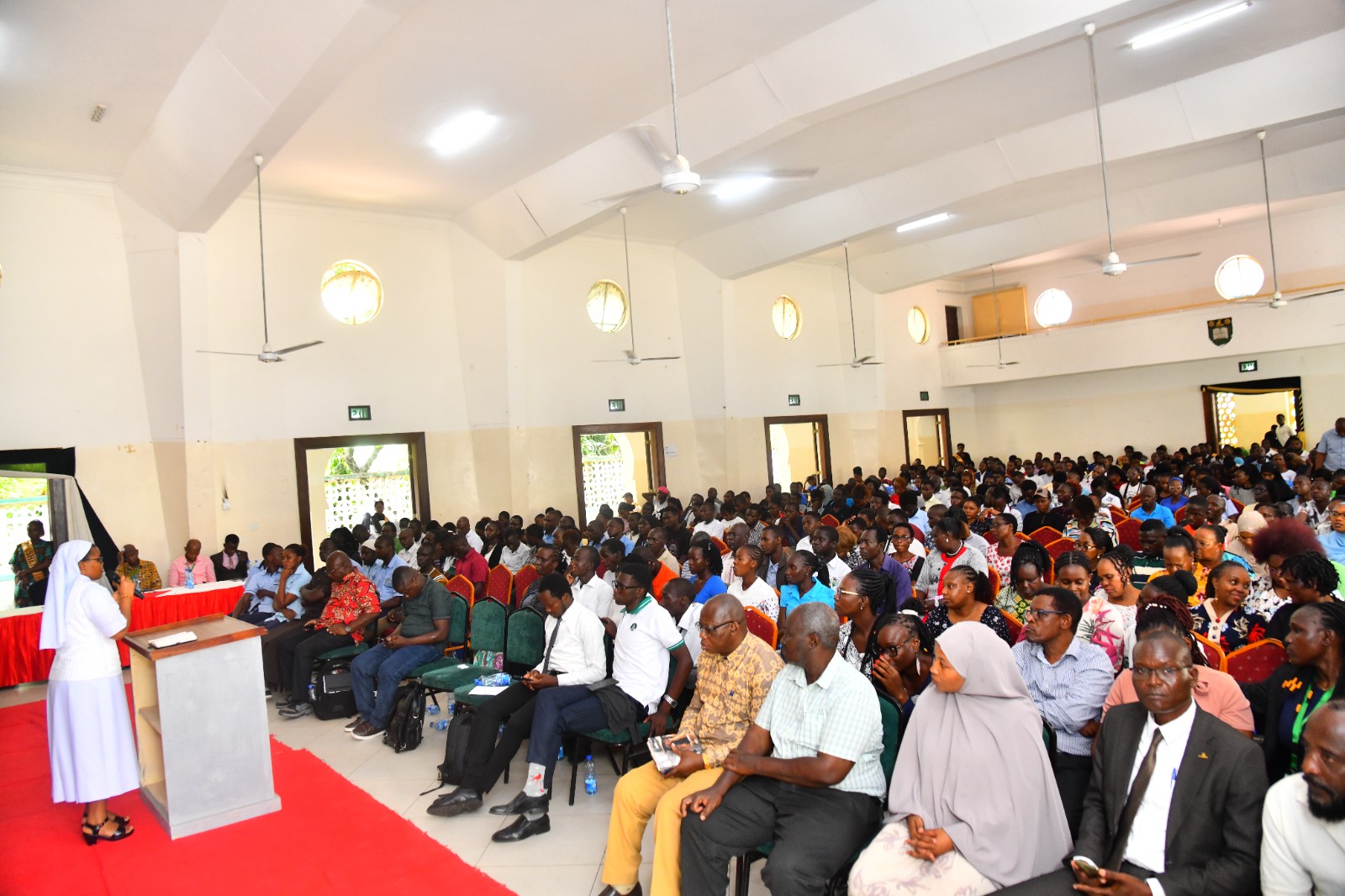
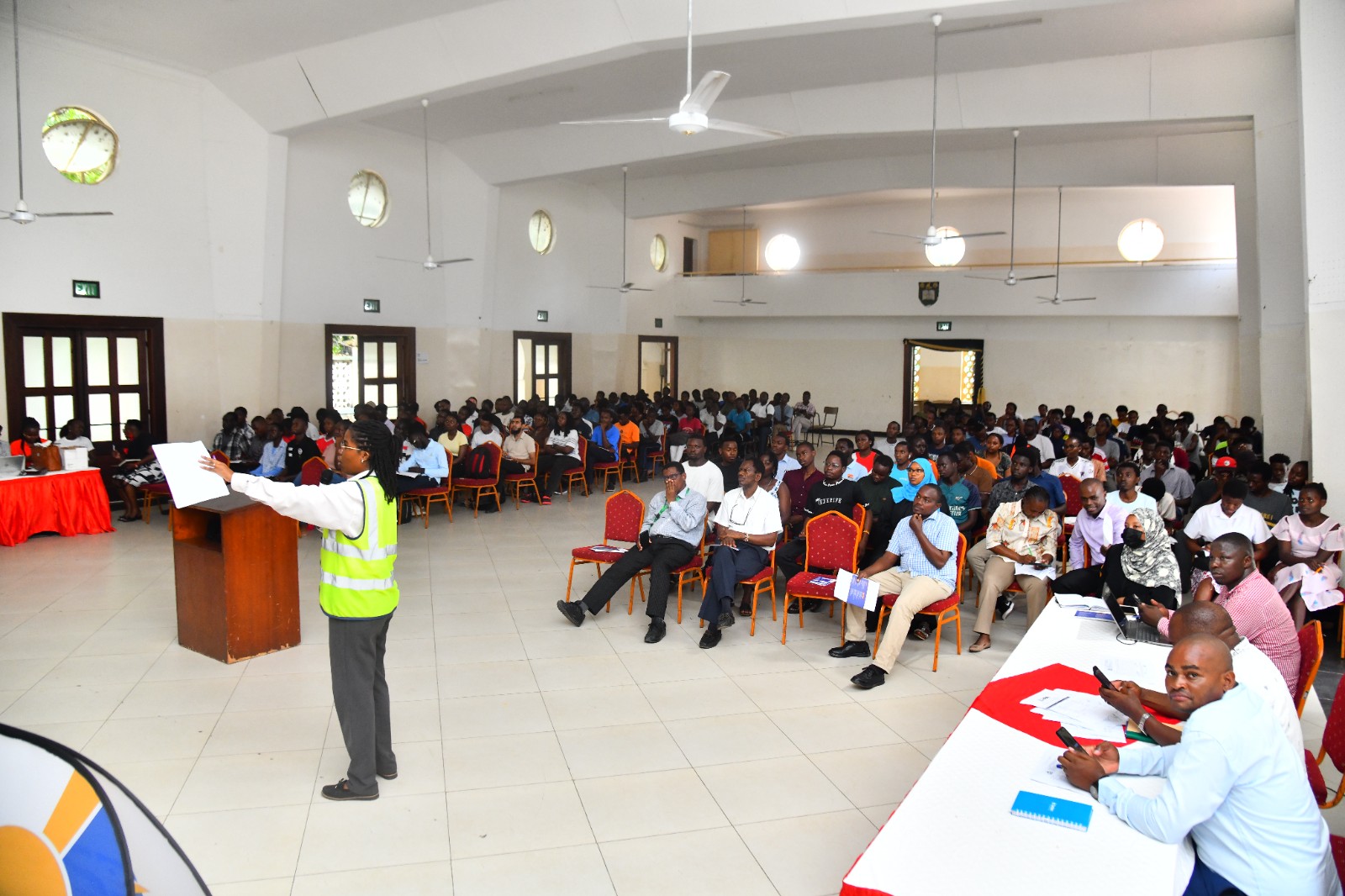
While the primary focus of the exercise was blood donation, it also incorporated sensitization and awareness on sickle cell disease, highlighting its impact, management, and the importance of early screening.
Community outreach officers from SCAF Kenya also shared valuable insights. Fatuma Rama Bakari, who is also a mother to a child living with sickle cell disease, emphasized the need for awareness, proper care, and access to medication. Susan Wanjiru highlighted the ongoing ‘SASA Project’ in Kenya and Tanzania, which focuses on screening, awareness, and support for patients living with sickle cell disease.
They further addressed common misconceptions surrounding the disease, noting that sickle cell is a genetic condition, not a result of curses or witchcraft. Emphasis was placed on the importance of knowing one’s genotype, as this plays a key role in preventing the spread of the disease.
At the end of the five-day exercise, a total of 278 pints of blood were collected. Beyond supporting individuals living with sickle cell disease, the donations will go a long way in saving lives across a wide range of medical needs, reinforcing the critical role of voluntary blood donation in strengthening healthcare systems.