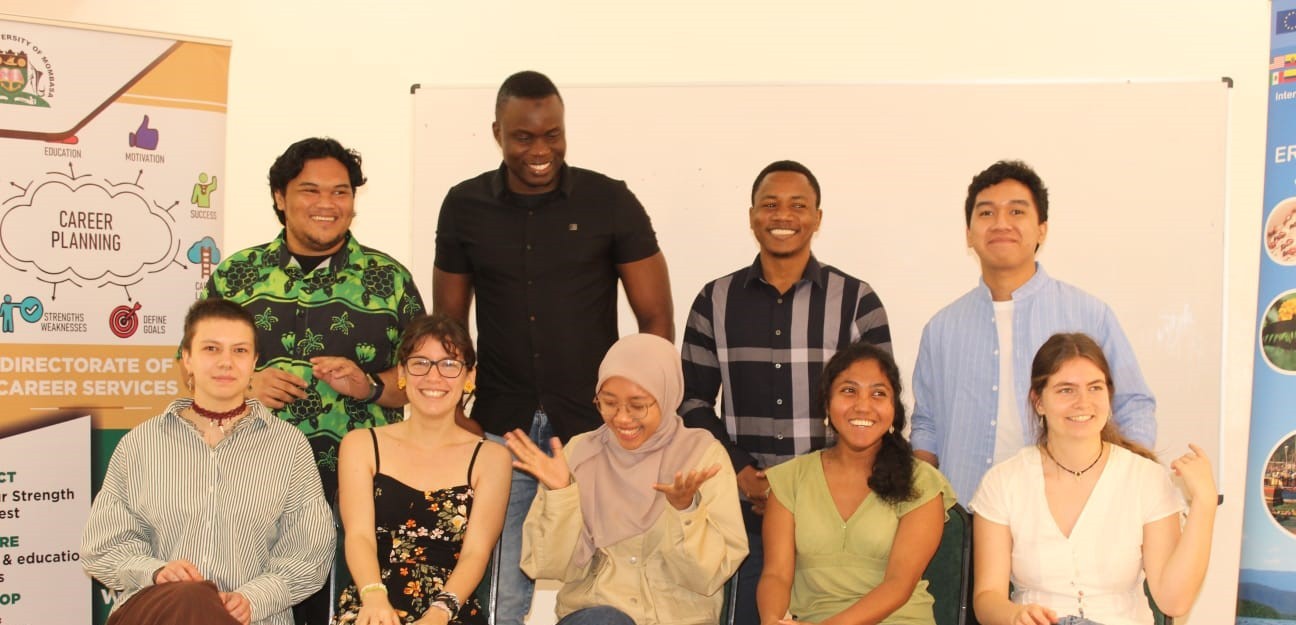
TEN students from eight countries globally have landed at the Technical University of Mombasa (TUM) for the Erasmus Mundus Joint Master in Tropical Biodiversity and Ecosystems (TROPIMUNDO).
Out of the 10 students, two are from Philippines and another two from Tanzania, while the six other countries - Cuba, Madagascar, Russia, Indonesia, Belgium and Kenya - are represented by one student per country.
All the students were enrolled at Université Libre de Bruxelles (ULB) in Brussels, Belgium, studying the Erasmus Mundus Joint Master Degree in Tropical Biodiversity and Ecosystems that is offered by 13 Universities worldwide.
The program involves students pursuing a Master of Science in Tropical Biodiversity and Ecosystem in Belgium and those pursuing a Master of Science in Fisheries and Aquaculture in TUM.
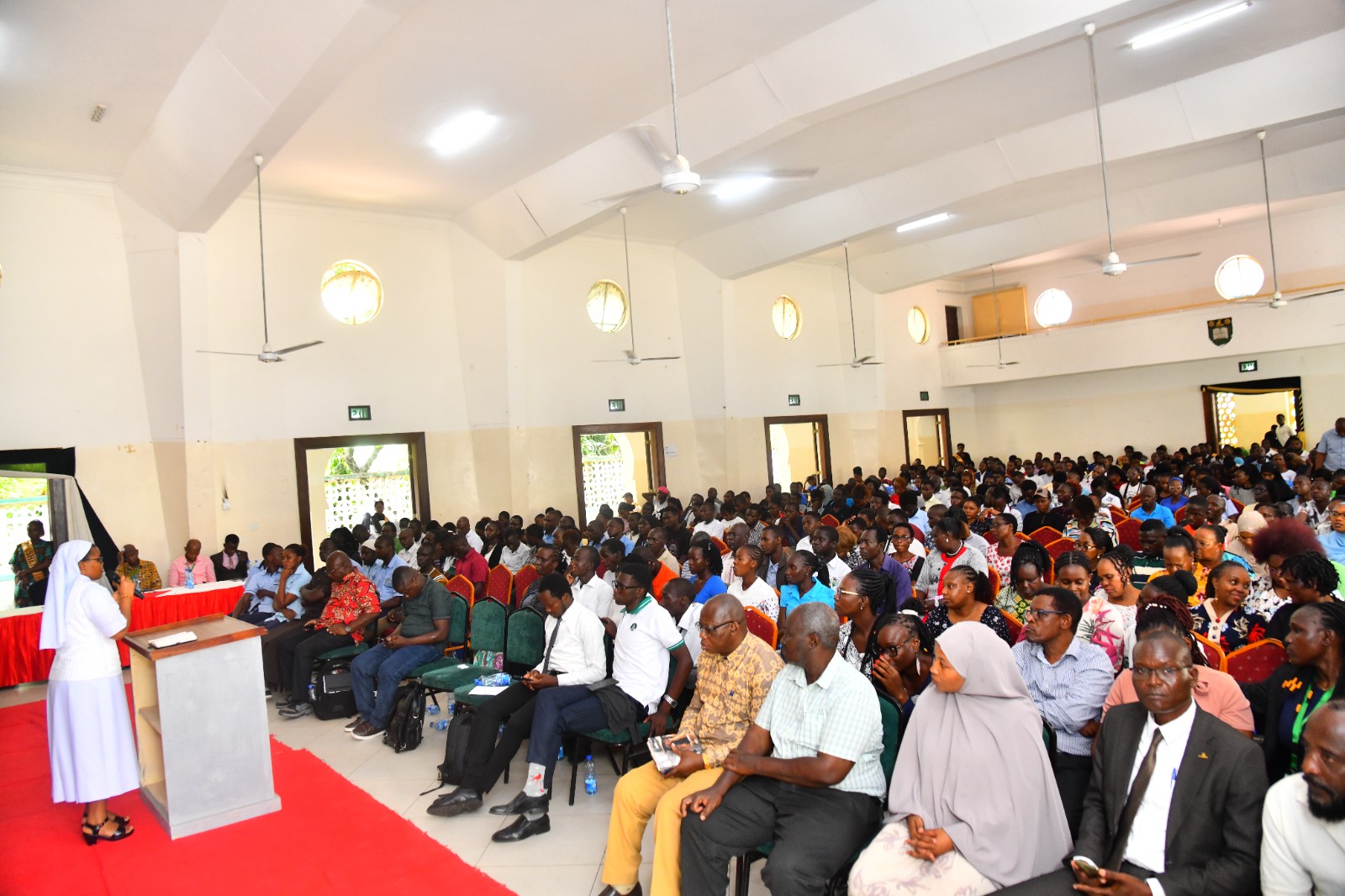
Addressing the fourth batch of 10 TROPIMUNDO students on Wednesday 4, February, 2026, at the TUM’s School of Medicine and Health Sciences Board room, TUM Vice chancellor Prof Laila Abubakar challenged them to push the boundaries of their knowledge and explore innovative solutions to pressing environmental issues.
The Vice chancellor urged the students to think critically and engage in meaningful discussions on tropical biodiversity and conservation. She encouraged the international students to learn Kiswahili, to interact easily with the locals in Mombasa city.
In his remarks, Deputy Vice Chancellor in charge of academic, research and extension Prof Peter Gichangi stated that, receiving 10 students from eight countries is a testament that TUM is a university of global excellence in advancing knowledge science and technology, as stipulated in the institution’s vision.
Prof Gichangi urged the students to interact with other post graduate students. "This is an opportunity not only to study but to network. As young people, take advantage of this programme to learn from different academic models and cultural experiences," Prof Gichangi said.
Dean School of Pure and Applied Sciences Prof Huxley Makonde said, higher education internationalization is very important since students gain global academic credits, participates in joint research projects and build networks and friendships. He emphasized that the TROPIMUNDO model prepares students to be global citizens.
In an exclusive interview with corporate communications office, Prof Cosmus Munga, a local coordinator of the TROPIMUNDO program at TUM said the exchange is designed to expose students to marine environments and terrestrial ecosystems.
"This is a unique model; in the first year, first-semester, students study in Belgium. In the second semester, the students choose to study in tropical countries such as Kenya, Cameroon, Madagascar, Reunion, Sri Lanka, Malaysia, Philippines, Guadalupe, New Caledonia and Guyana among others. This is a full semester with coursework, practical experience, fieldwork and examination.
The students pay 1000 Euros per semester at TUM to facilitate the program. After the second semester, the students are examined and return to Europe. Those who have selected their research topics in Kenya, can choose to remain behind," Prof Munga explained.
Through his leadership and mentorship, Prof Munga plays a vital role in shaping the next generation of experts in tropical biodiversity and conservation. His passion for the subject, combined with his dedication to teaching and mentoring, ensures that the TROPIMUNDO students are well-equipped to make a positive impact in the field of tropical studies.
The attendees included Dr Madiha Salim, Dean School of Humanities and Social Sciences, University Librarian Dr Wanyenda Chilimo, Director Career Services Dr Juliana Asser, Head of Security Department Mr Mathew Jakait, Head of Corporate Communications Department Mr Salim Chiro, and other Chairpersons from various Departments within the University.