By: Mariam Kidhangi & Mary Achieng
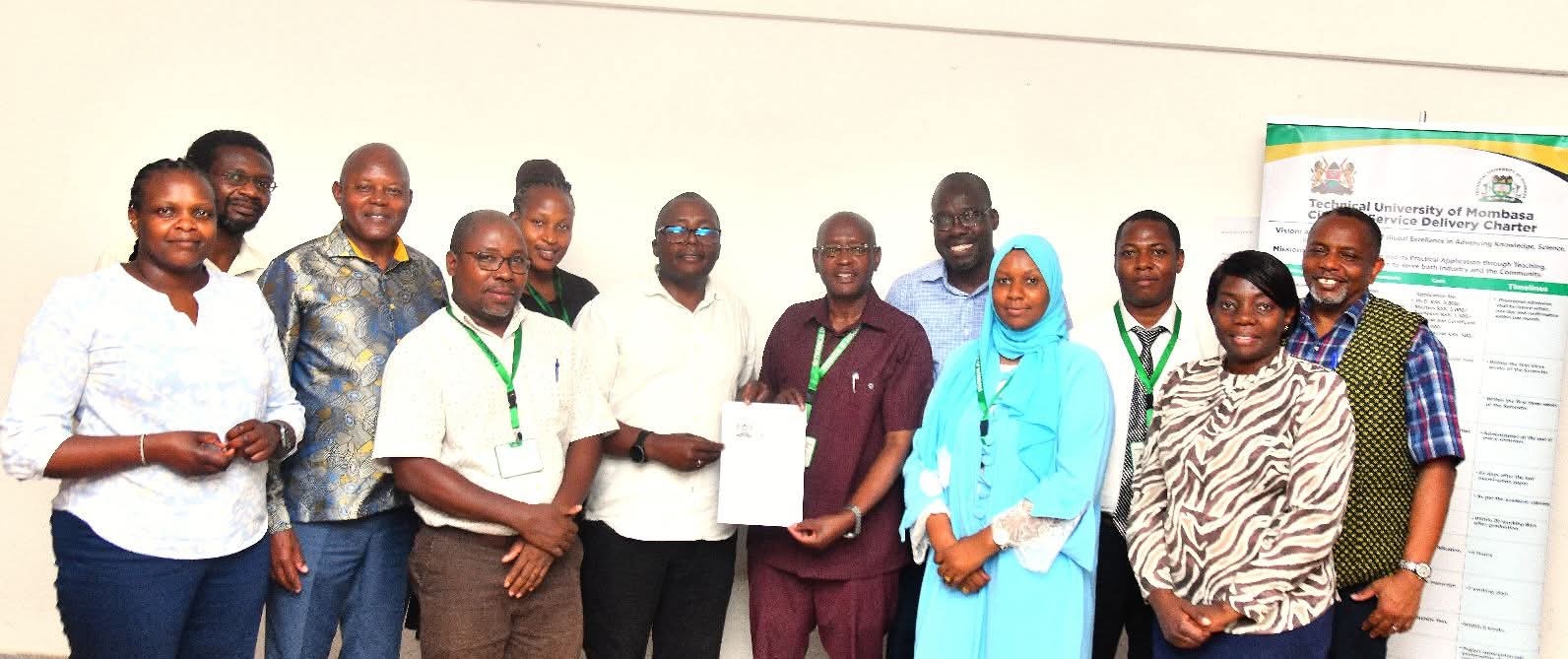
The Technical University of Mombasa (TUM), through its Centre for Religion, Conflict and Peacebuilding (CRCP), and Garissa University have strengthened their partnership through a two-day engagement focused on peacebuilding, interreligious dialogue and responsible digital engagement.
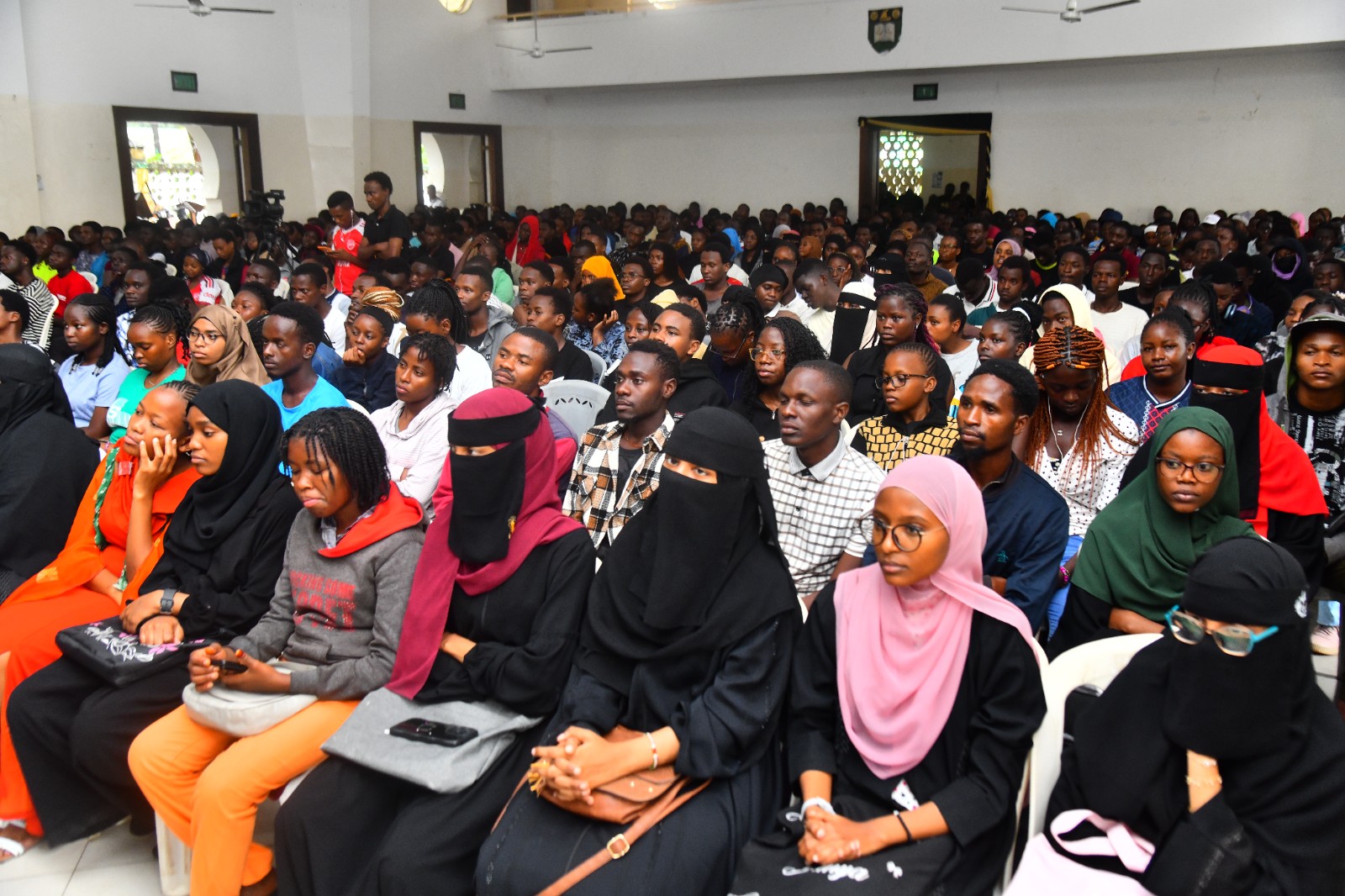
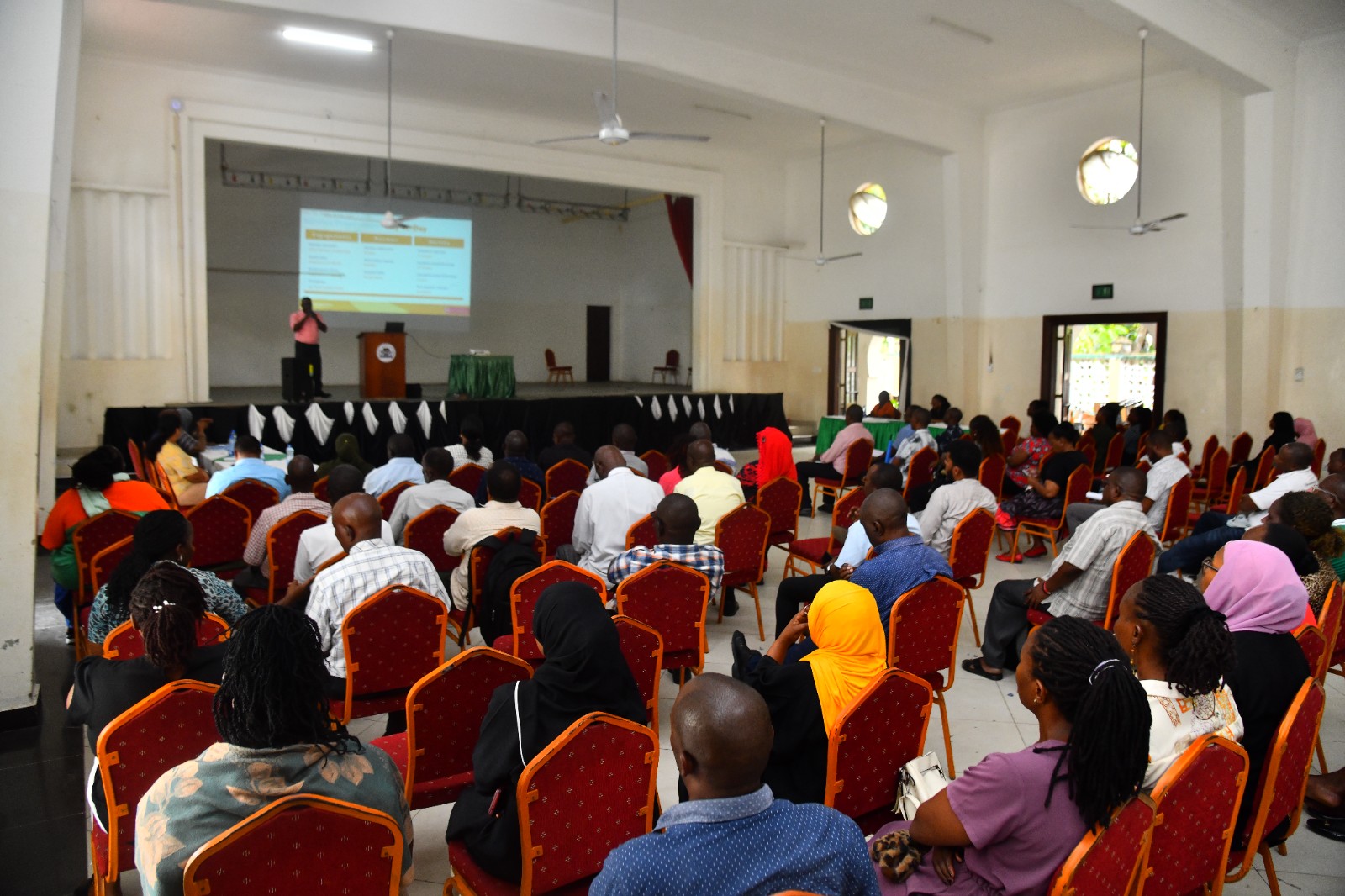
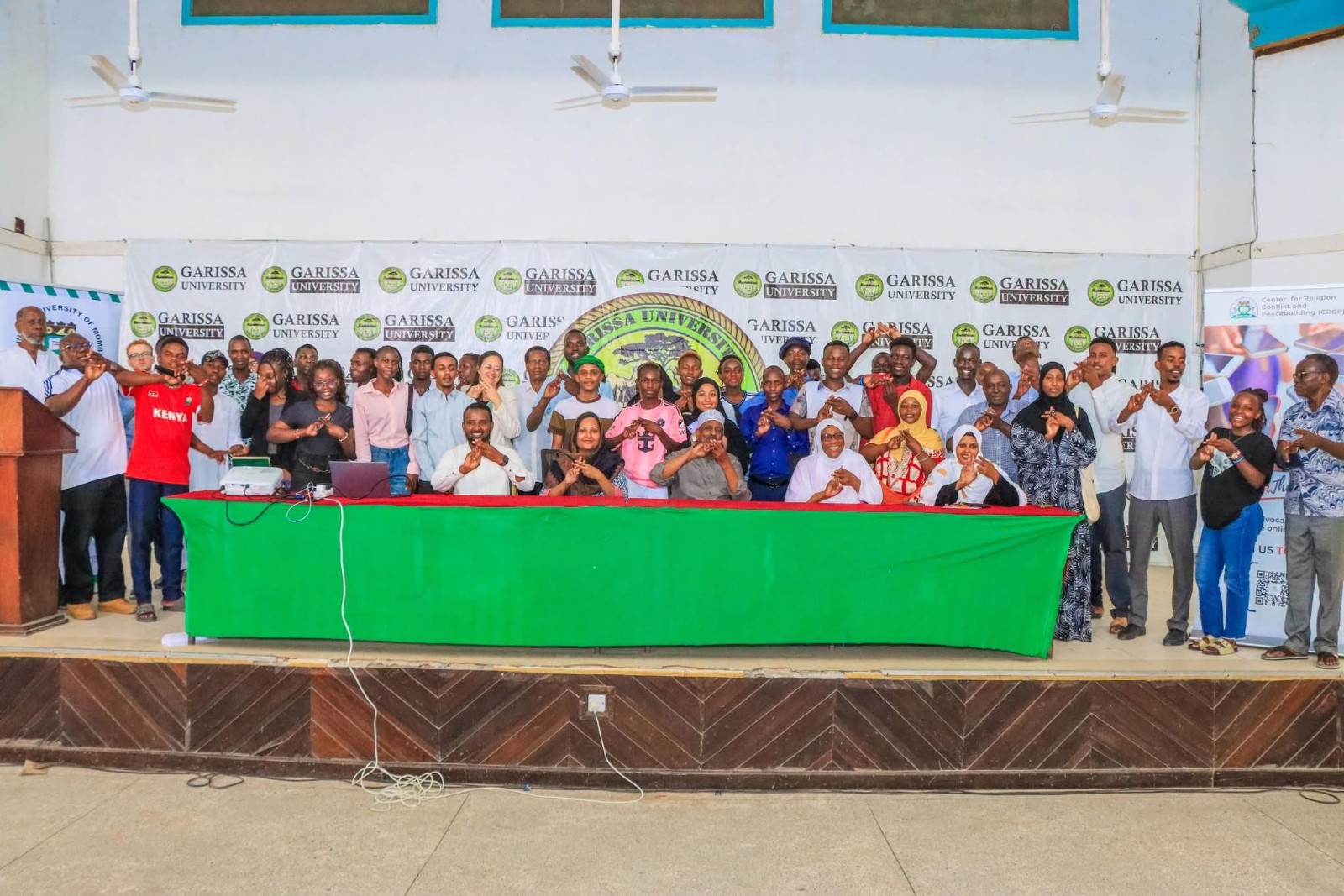
Held on the 18th and 19th of September at Garissa University, the programme brought together students, lecturers, university leaders and peacebuilding practitioners to examine contemporary challenges affecting communities and explore how young people, universities and faith actors can contribute to peaceful and inclusive societies.
The engagement also formed part of ongoing efforts to promote youth-led peacebuilding initiatives and strengthen collaboration between TUM and Garissa University.
The programme was officially opened by Garissa University Vice-Chancellor Prof. Ahmed Osman and TUM Vice-Chancellor Prof. Laila Abubakar, who underscored the role of universities in nurturing responsible citizens and creating spaces for dialogue across diverse communities.
Addressing participants, Prof. Laila encouraged students to embrace dialogue and mutual respect, noting that people can hold different opinions while still engaging with one another constructively.
She emphasised the importance of learning to “agree to disagree agreeably”, observing that peaceful coexistence depends on the ability to listen, understand different perspectives and engage respectfully even in moments of disagreement.
Prof. Laila also described social media as a double-edged sword, noting that while digital platforms can connect people, amplify voices and create opportunities for learning, they can also be used to spread misinformation, hate and division. She challenged young people to use these platforms responsibly by verifying information before sharing it and contributing positively to online conversations.
The first day focused on religious peacebuilding and interreligious engagement. Participants were introduced to perspectives on religious peacebuilding within the Garissa context before attending a session by Dr. Fathima Azmiya Badurdeen, Founder of CRCP, on religious engagement as a means of preventing violence.
Drawing from experiences and case studies from Kenya and Indonesia, Dr. Fathima demonstrated how religious actors and interfaith initiatives can create opportunities for dialogue, understanding and peaceful coexistence.
The discussions continued through an interactive session on interreligious engagement facilitated by Ms. Annica Baum, Lead Officer at CRCP. Through group exercises and reflections, participants explored practical ways of fostering dialogue and mutual understanding among people from different religious and cultural backgrounds.
The day concluded with a reflection session examining interreligious engagement as a tool for peacebuilding and social cohesion.
On the second day, discussions shifted to the relationship between society, politics and digital spaces. Participants examined the socio-political context of Garissa and explored how online spaces can reflect tensions in the physical world through polarisation, hate speech and misinformation.
The sessions highlighted the growing importance of digital literacy and the need to build resilience against harmful online content.
A key highlight was a session on Digital Peacebuilding in Practice, which introduced participants to the DARE Crafting: #SlashTheHate campaign. Led by Ms. Annica Baum and Joram, the session explored how digital platforms can be used to promote dialogue, challenge harmful narratives and advance peacebuilding efforts among young people.
The session also highlighted the importance of youth participation, negotiation and representation in creating peaceful communities. Mr. Ruphus Mwakideu of TUM and Dr. Mohamed Ali Ismail, Head of Department, Arts and Social Sciences, Garissa University, engaged participants on how young people can play a meaningful role in shaping peacebuilding efforts.
Building on these discussions, participants engaged in practical sessions examining the challenges posed by today’s information environment. An interactive session facilitated by Ms. Lubnah Abdulhalim and Ivy Ngaira explored the concepts of miscommunication, misinformation, disinformation, malinformation and fake news, helping participants distinguish between different forms of false or misleading information and understand their potential impact on individuals and communities.
Mr. Abdishukri Jelle Ibrahim, Chairperson, Garissa Civil Society Network, encouraged participants to approach digital advocacy strategically, emphasising the importance of understanding the information environment and distinguishing between misinformation and disinformation.
Participants were also encouraged to think critically about digital advocacy and the role young people can play in shaping positive online conversations. The discussions emphasised the importance of using social media strategically to promote peaceful coexistence, amplify credible information and counter divisive narratives.
Another highlight was a presentation by Garissa University student Asha Mohamed, who showcased Sauti Shield, an application she developed to help users assess the credibility of information in digital spaces. The innovation demonstrated how technology can be harnessed to strengthen digital literacy and support informed decision-making.
Ms. Annica Baum also announced plans for a social media content competition under the #SlashTheHate campaign, providing participants with an opportunity to use creativity and digital storytelling to promote messages of peace, inclusion and social cohesion.
The engagement concluded with group work sessions, presentations and the development of action plans aimed at strengthening collaboration among participants and advancing youth-led peacebuilding initiatives within their institutions and communities.
Speaking during the programme, Dr. Fathima Badurdeen emphasised the importance of translating research into practical action, particularly in understanding how digital spaces influence social attitudes and behaviours. She noted that empowering young people with the skills to engage constructively online is critical to building more peaceful and resilient communities.
The two-day engagement reinforced the growing partnership between TUM, Garissa University and CRCP while equipping participants with practical knowledge and skills in peacebuilding, dialogue and responsible digital engagement.