By: Abdulaziz Abeid
Over 1.3 billion people worldwide still lack access to electricity, while 2.6 billion continue to rely on traditional biomass such as firewood and charcoal. In Sub-Saharan Africa, the situation remains critical, with between 570 and 600 million people, nearly half the region’s population, living without electricity.
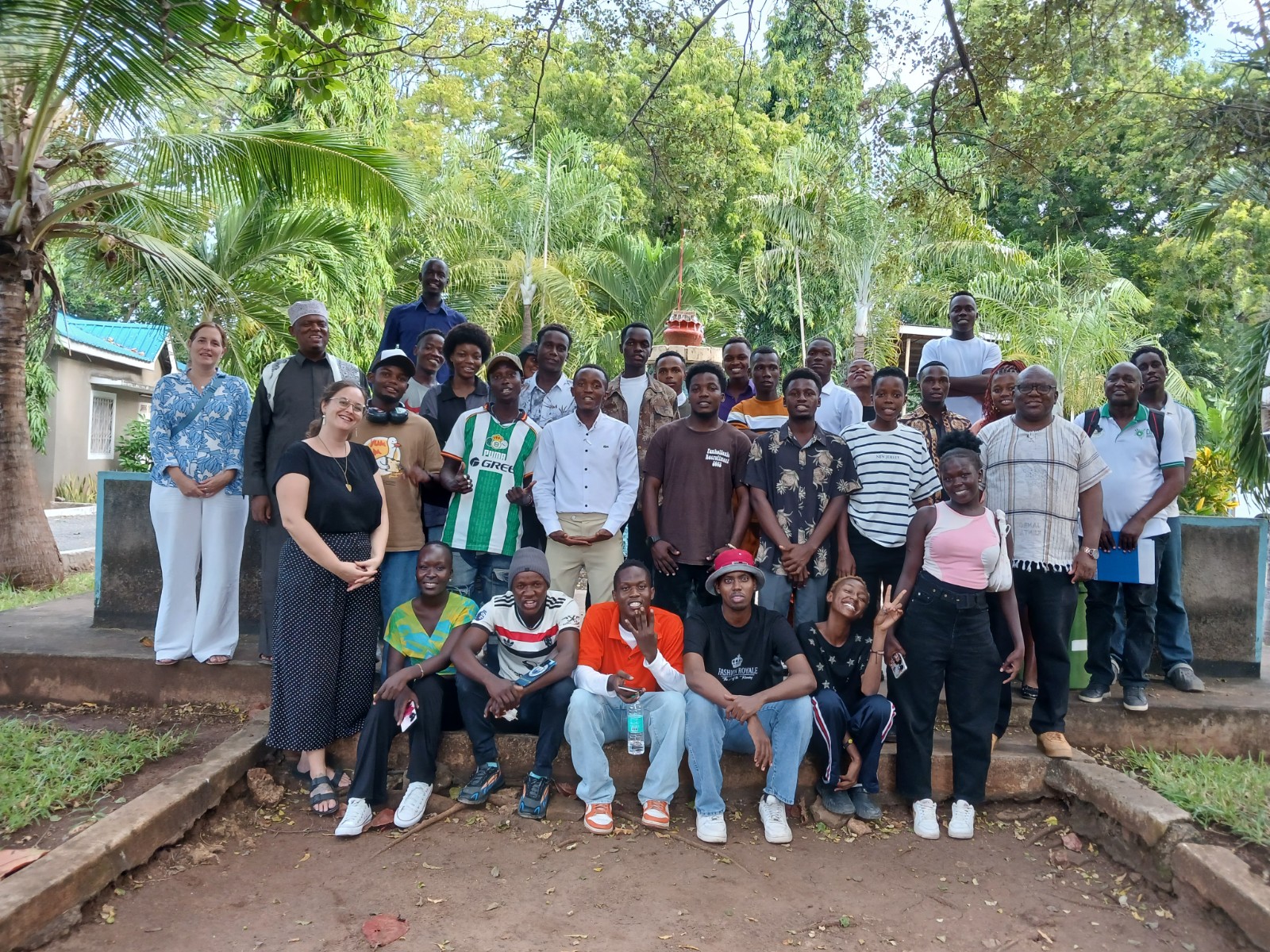
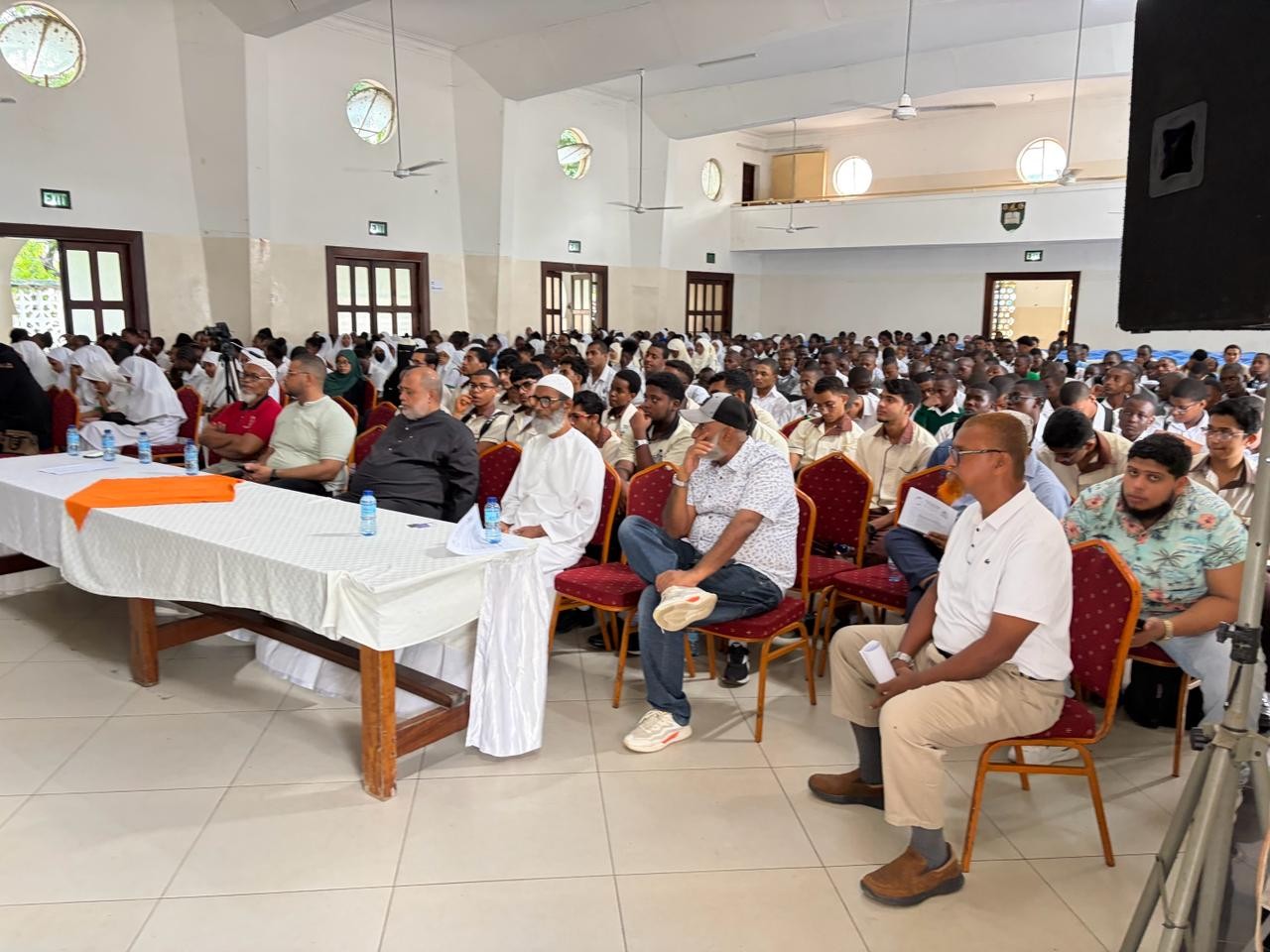
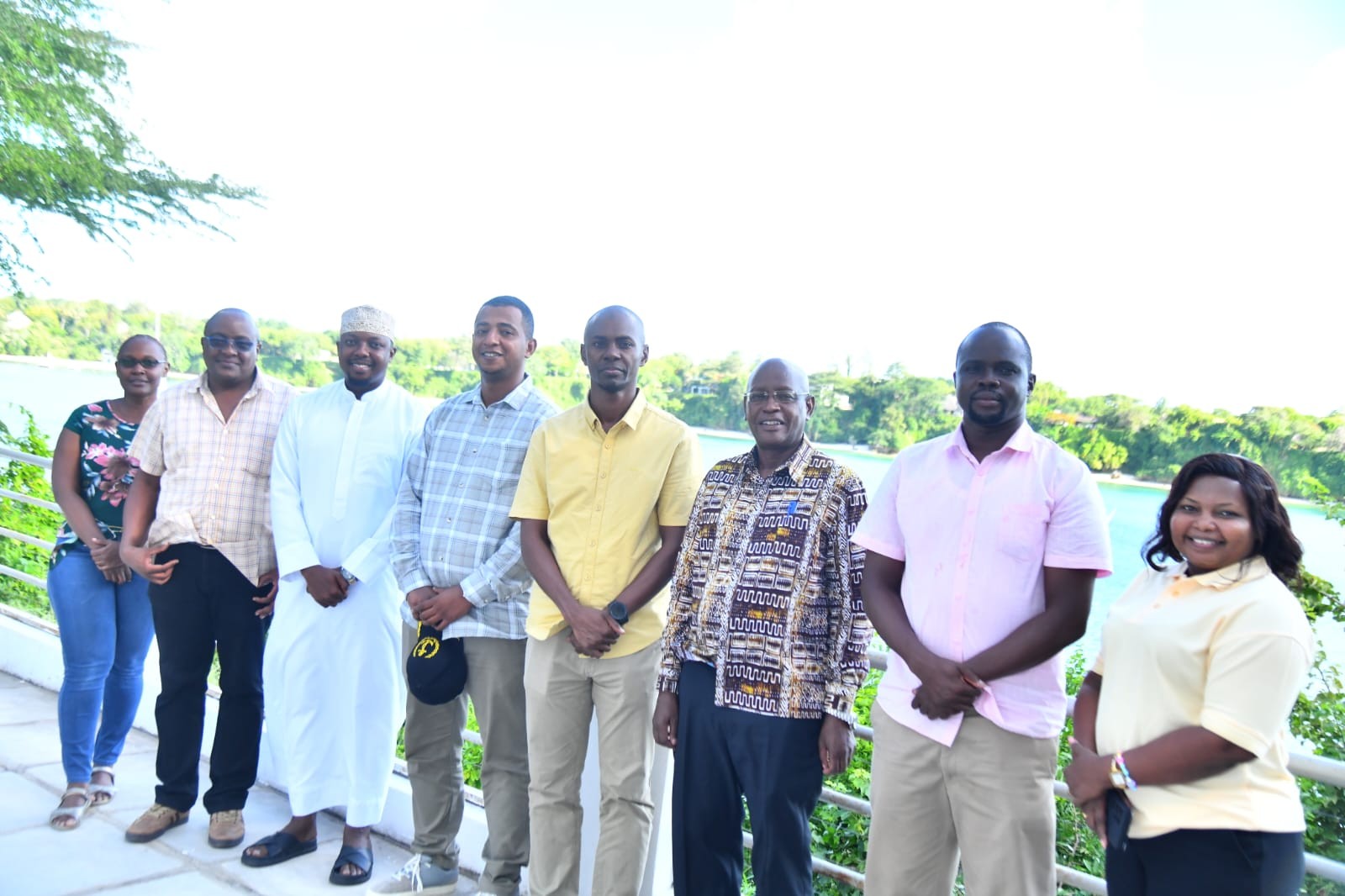
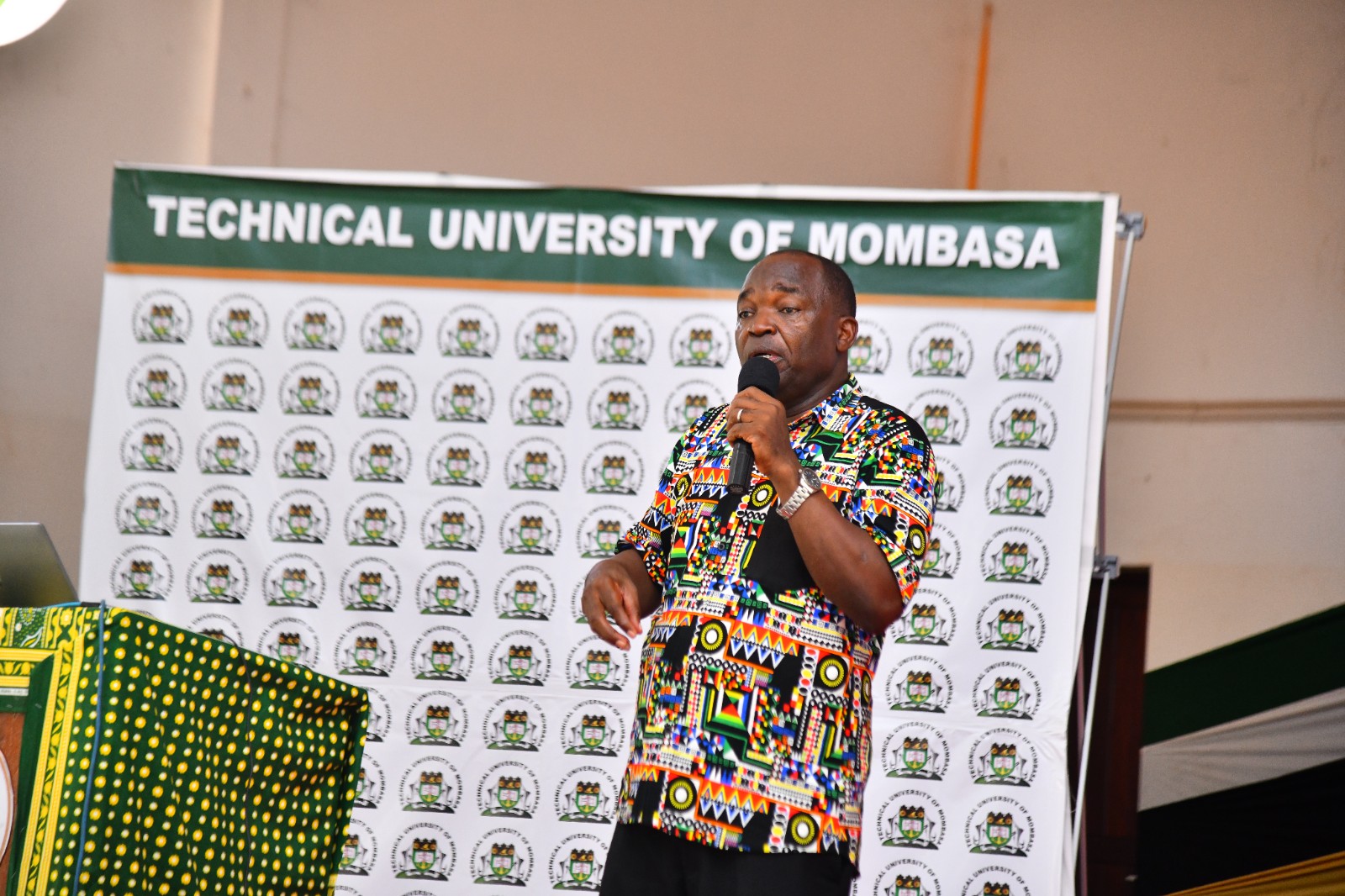
These statistics were revealed during the 7th Multidisciplinary Conference hosted by the Technical University of Mombasa.
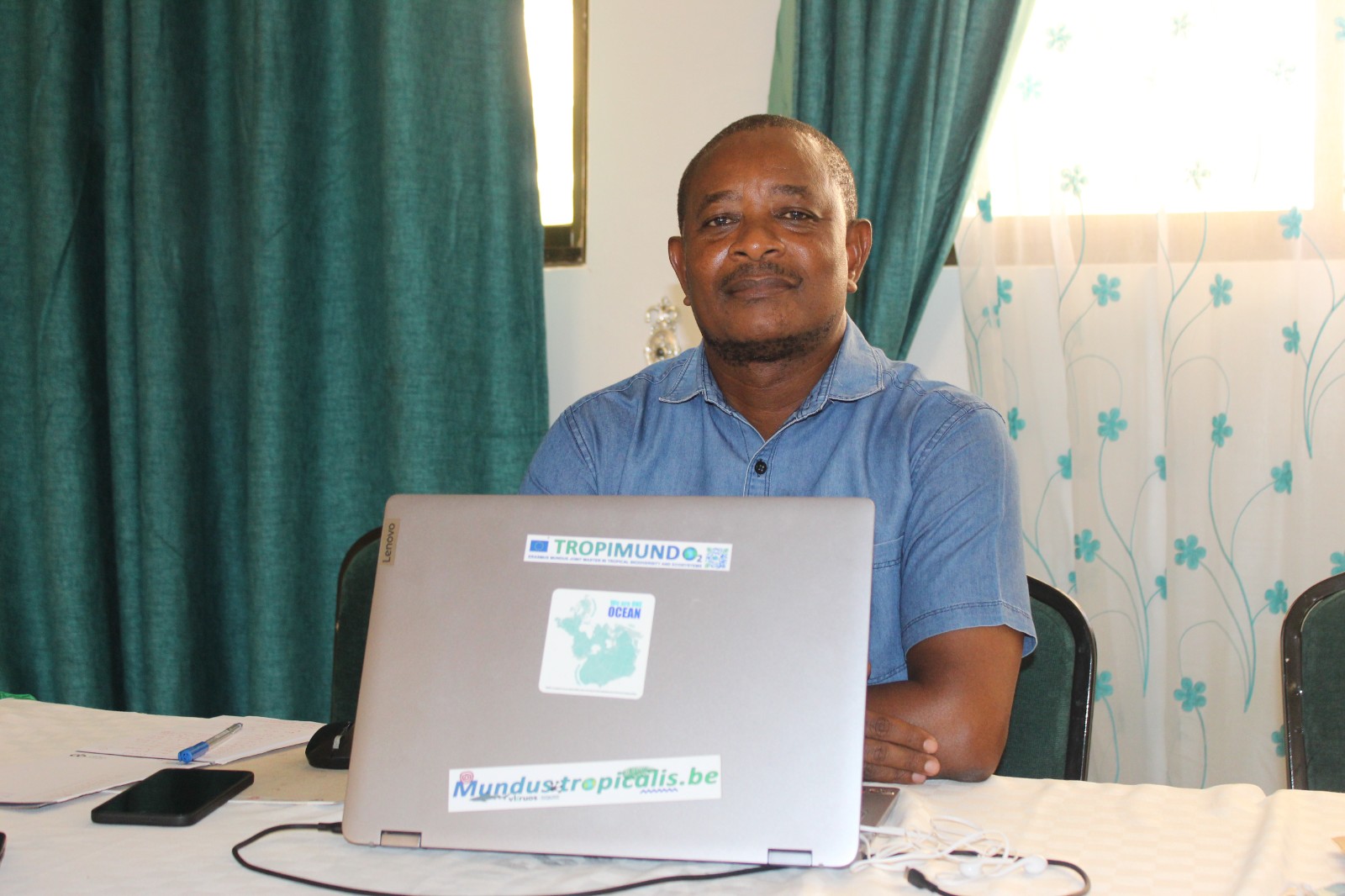
During his keynote address at the conference, Professor Michael Saulo emphasized the urgent need to expand access to sustainable energy, warning that the crisis can no longer be ignored. He noted that approximately 1.17 billion people across Africa still depend on traditional biomass, a trend that continues to undermine both public health and climate action efforts.
According to the professor, Africa must accelerate its transition from conventional energy systems to renewable alternatives if it is to meet its development and environmental goals.
He observed that Kenya is already making notable progress, with geothermal energy contributing about 40 percent of the country’s electricity supply. However, he cautioned that the transition to a green energy future remains slow and uneven.
Professor Saulo cited high capital costs, weak electricity grids, and regulatory uncertainty as major barriers hindering progress, and called for urgent reforms to address these challenges.
Despite these obstacles, he pointed encouraging signs of transformation such as the cost of solar photovoltaic technology has declined by more than 80 percent, making it one of the most affordable sources of power globally.
This reduction, alongside the growing adoption of green financing mechanisms such as green bonds, presents new opportunities to accelerate renewable energy uptake across the continent.
He further underscored the importance of decentralized energy solutions, including mini-grids and renewable-powered distribution systems, as practical approaches to reaching underserved and remote communities.
Professor Saulo also highlighted the need for stronger regional cooperation, referencing interconnection projects such as the Kenya–Tanzania and Senegal–Gambia power links, which aim to create a more integrated African electricity market.
Looking ahead, he cited the Nairobi Declaration, which sets an ambitious target of increasing Africa’s renewable energy capacity from 56 gigawatts to 300 gigawatts by 2030.
Achieving this goal, he stressed, will require coordinated efforts among governments, academia, and the private sector.