TUM Champions Trusted Open Access Publishing at Diamond Open Workshop in Nairobi
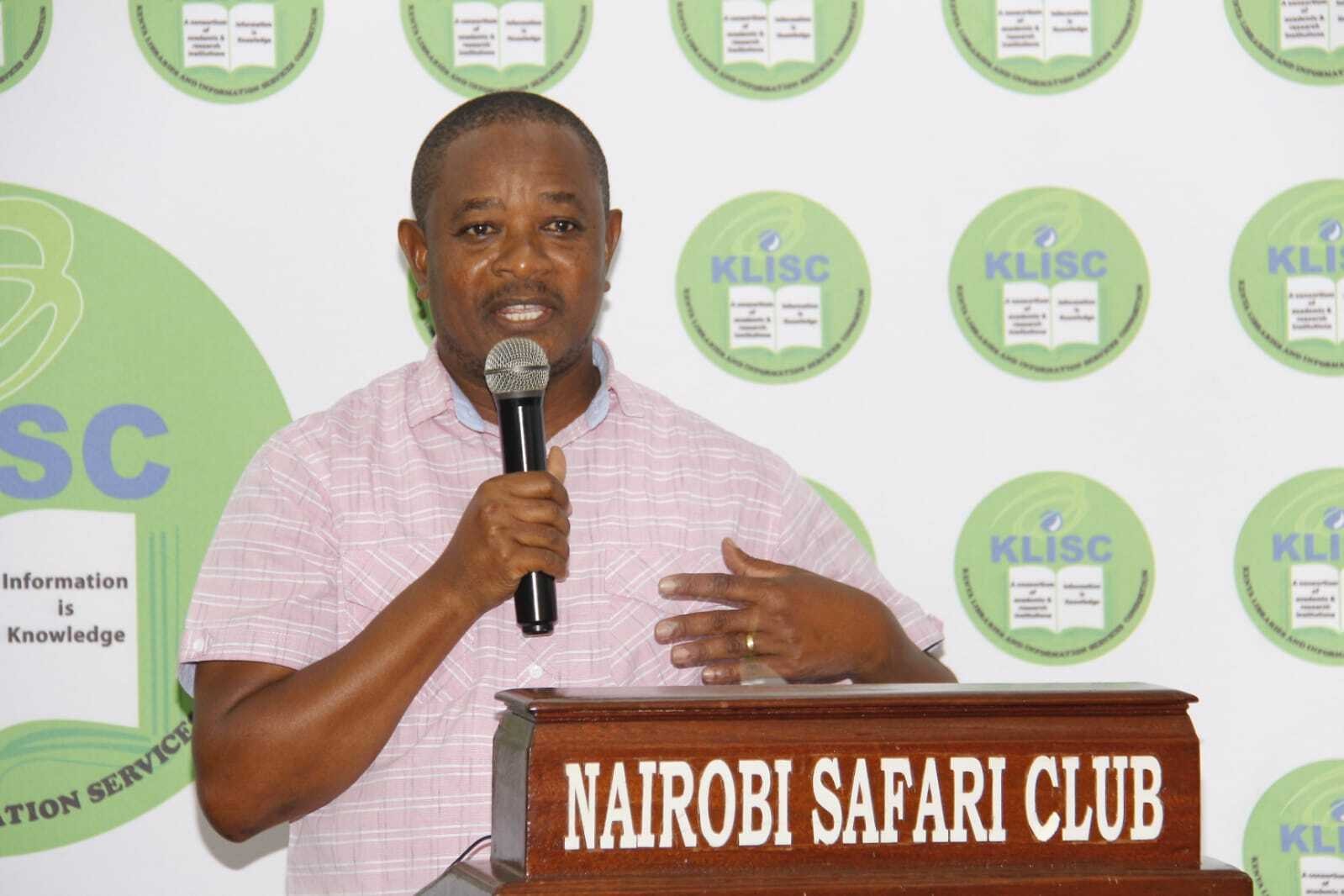
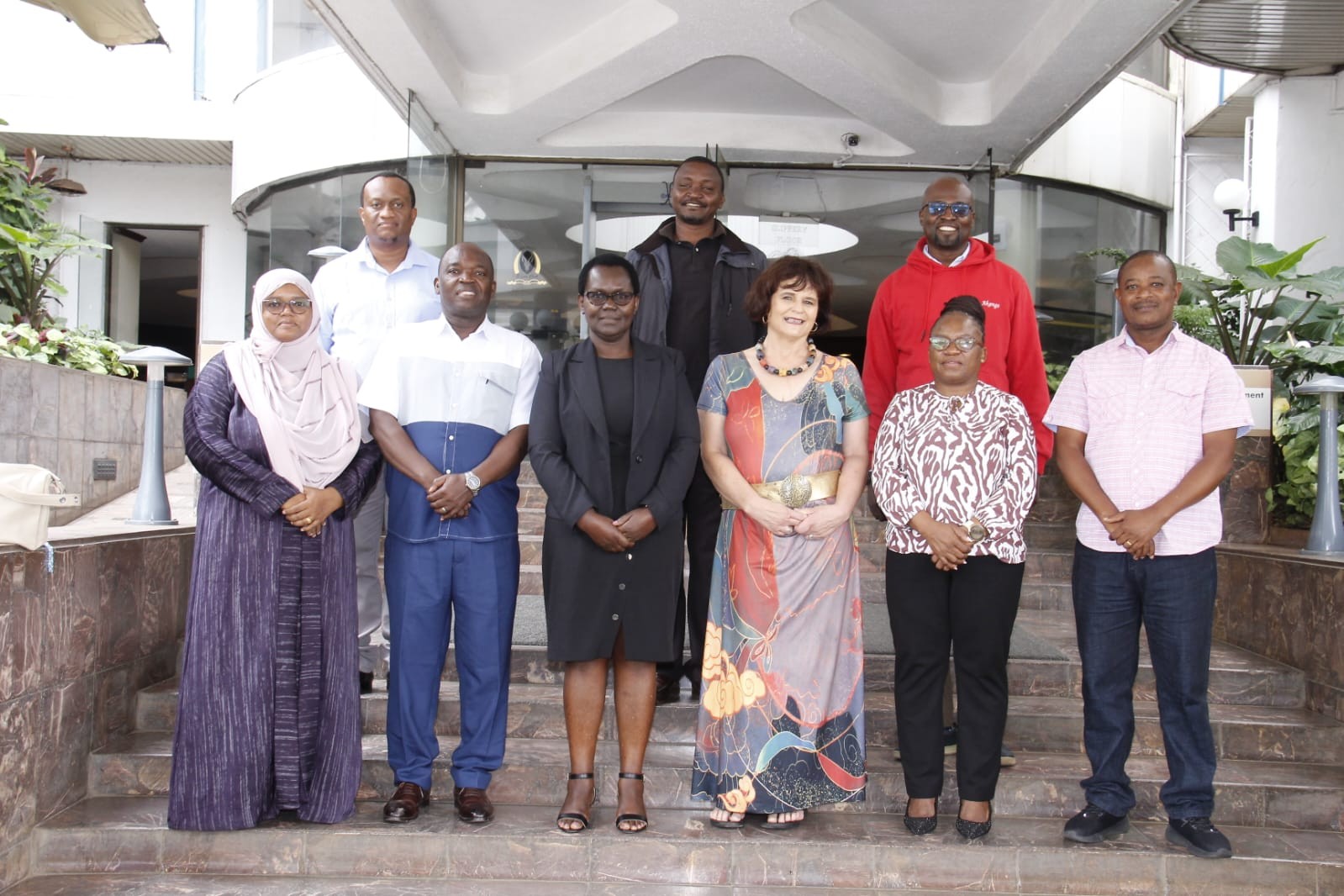
Demonstrating its continued leadership in academic innovation and research excellence, Technical University of Mombasa (TUM) actively participated in the Diamond Open Publishing Workshop on Quality and Trusted Open Access Scholarly Journal Practices held from 18–20 February 2026 at the Nairobi Safari Club Hotel in Nairobi.
TUM’s presence at the high-level workshop underscores the University’s commitment to strengthening scholarly publishing standards, promoting research integrity, and advancing sustainable Open Access models within Kenya and across Africa.
Building Strong Foundations for Quality Publishing
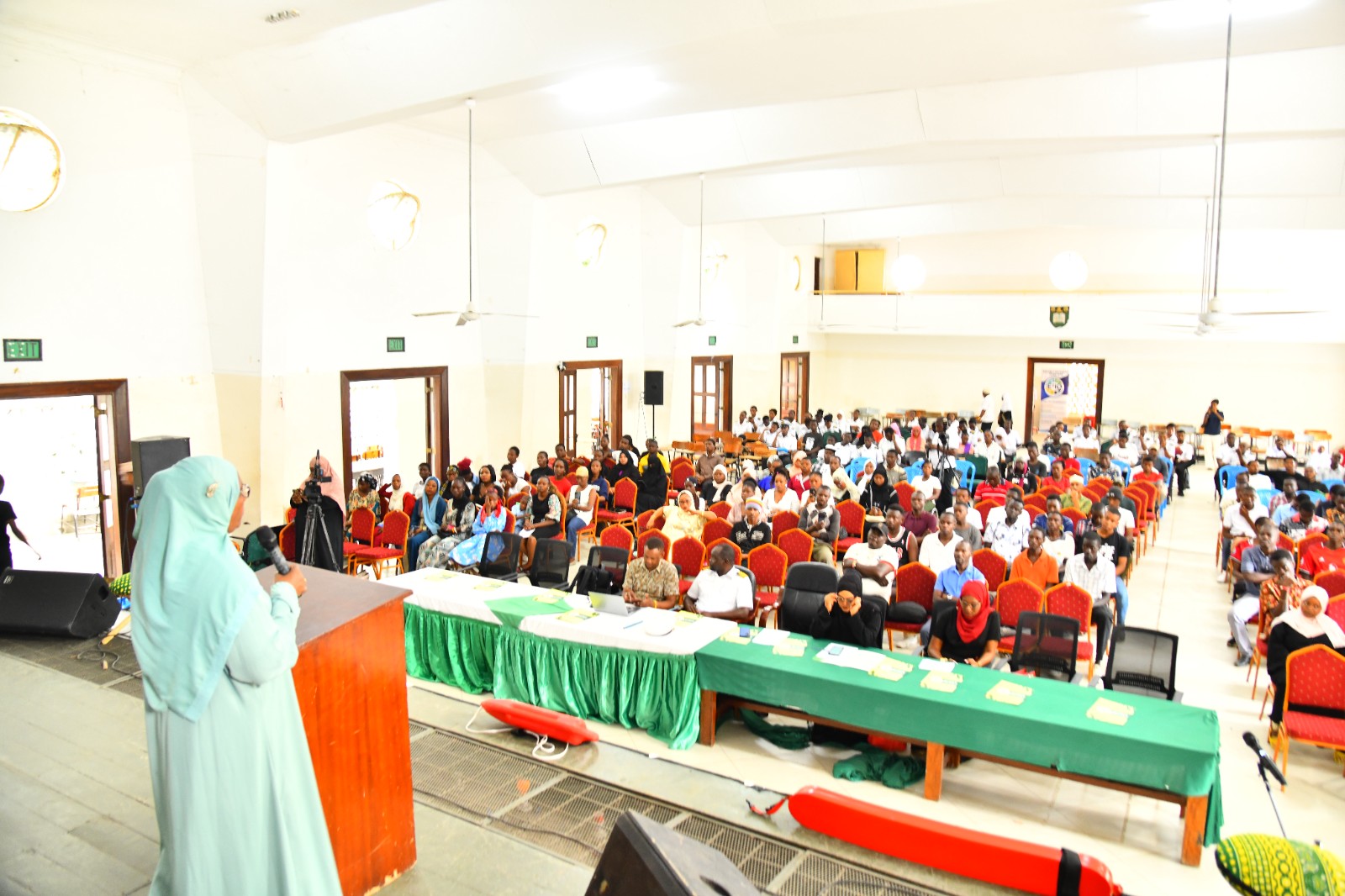
The three-day workshop brought together journal editors, publishers, librarians, and research managers from across the region to address the future of Diamond Open Access publishing. Day One focused on establishing solid foundations for trusted and transparent journals.
Participants explored the African scholarly publishing landscape and examined the continent’s growing role in global research dissemination. Legal frameworks, copyright regulations, and Open Access (OA) licensing policies were discussed in detail, equipping participants with the knowledge necessary to protect authors’ rights while ensuring compliance with international standards.
Hands-on sessions allowed participants to conduct journal self-assessments and explore journal setup using Open Journal Systems (OJS), a widely used open-source journal management platform. Practical exercises on journal website design emphasized transparency, clear editorial policies, and professional presentation as pillars of trust in scholarly communication.
Strengthening Editorial Workflows and Global Visibility
On Day Two, attention shifted to editorial efficiency, metadata standards, and international indexing. From submission to production, participants reviewed best practices in editorial workflows to improve quality control and turnaround time.
Technical sessions focused on metadata structuring, DOI integration, and JATS XML formatting to enhance machine readability and global discoverability. Facilitators guided participants through indexing pathways, outlining requirements for inclusion in leading databases such as Directory of Open Access Journals (DOAJ), SciELO South Africa, Emerging Sources Citation Index (ESCI), Scopus, and OpenAlex. A practical DOAJ application workshop enabled editors to align their journals with international inclusion standards, while advanced OJS configuration sessions enhanced workflow optimisation and publishing efficiency.
Ethics, Sustainability and the Future of Publishing
The final day addressed ethical standards, sustainability models, and long-term impact. Guided by principles from the Committee on Publication Ethics (COPE), participants examined research integrity, editorial accountability, and responsible governance.
A timely discussion on Artificial Intelligence in scholarly publishing explored emerging risks, policy considerations, and best practices to ensure ethical AI adoption in editorial processes.
Sessions on sustainability emphasized institutional support, transparent governance structures, and viable business models for Diamond Open Access journals. Participants also learned strategies for improving journal visibility, strengthening science engagement, and reporting impact through data-driven editorial dashboards.
Advancing TUM’s Research Vision
Through active engagement in the workshop, TUM reinforced its dedication to aligning its scholarly journals with global best practices. The training equipped participants with both practical tools and strategic insights to:
- Establish and govern high-quality Open Access journals
- Implement robust editorial workflows and technical standards (DOIs, XML, metadata)
- Achieve indexing in major international databases
- Uphold ethical publishing standards and responsible AI policies
- Develop sustainable business and governance models
- Enhance journal visibility and impact reporting
As the workshop concluded with action planning and certification, it was clear that institutions like TUM are not merely observers in the evolving publishing landscape they are active contributors shaping the future of trusted, ethical, and sustainable Open Access scholarship in Africa.